

Raised bed gardening in the UK has been having a moment for the better part of a decade, but the online conversation around it is often disconnected from reality. You’ll find endless Pinterest boards showing immaculate cedar beds filled with perfect compost, and then you’ll go price up the timber at your local builders’ merchant and feel your enthusiasm drain away. So let me give you a straightforward look at what it actually costs, what soil actually works, and which crops will make you feel the whole thing was worth the effort.
What raised beds realistically cost in 2026
The range is vast, and that’s not a dodge, it genuinely depends on materials. A basic 1.2m x 2.4m bed built from treated softwood planks (38mm x 184mm) costs somewhere between £40 and £70 in materials if you cut and assemble it yourself. Go up to untreated Douglas fir or larch and you’re looking at £80 to £120 for the same footprint. Hardwood oak sleepers, the ones that look handsome for fifteen years, will push you past £150 for a single bed before you’ve bought a single bag of compost.
Galvanised steel raised beds have become popular, and for good reason. A 1m x 2m corrugated steel kit from a supplier like Haxnicks or a similar UK brand runs around £90 to £140. They last longer than most timber, they don’t rot, and they warm up faster in spring, which matters more in, say, Yorkshire than people give credit for. My own preference is larch. It’s naturally rot-resistant, looks decent, and a local sawmill near me sells off-cuts cheaply enough that my last bed cost about £55 all in.
Don’t forget filling costs, which is where people consistently get a shock. To fill a standard 1.2m x 2.4m bed to a depth of 30cm, you need roughly 860 litres of growing medium. Buying that in 50-litre bags of multi-purpose compost from a garden centre would cost around £120 to £160. Bulk topsoil delivered by the tonne is cheaper per volume but introduces weed seeds if you’re not careful about the source. The sensible middle ground is a blended approach, which I’ll come to below.
Which soil mix actually works in British conditions
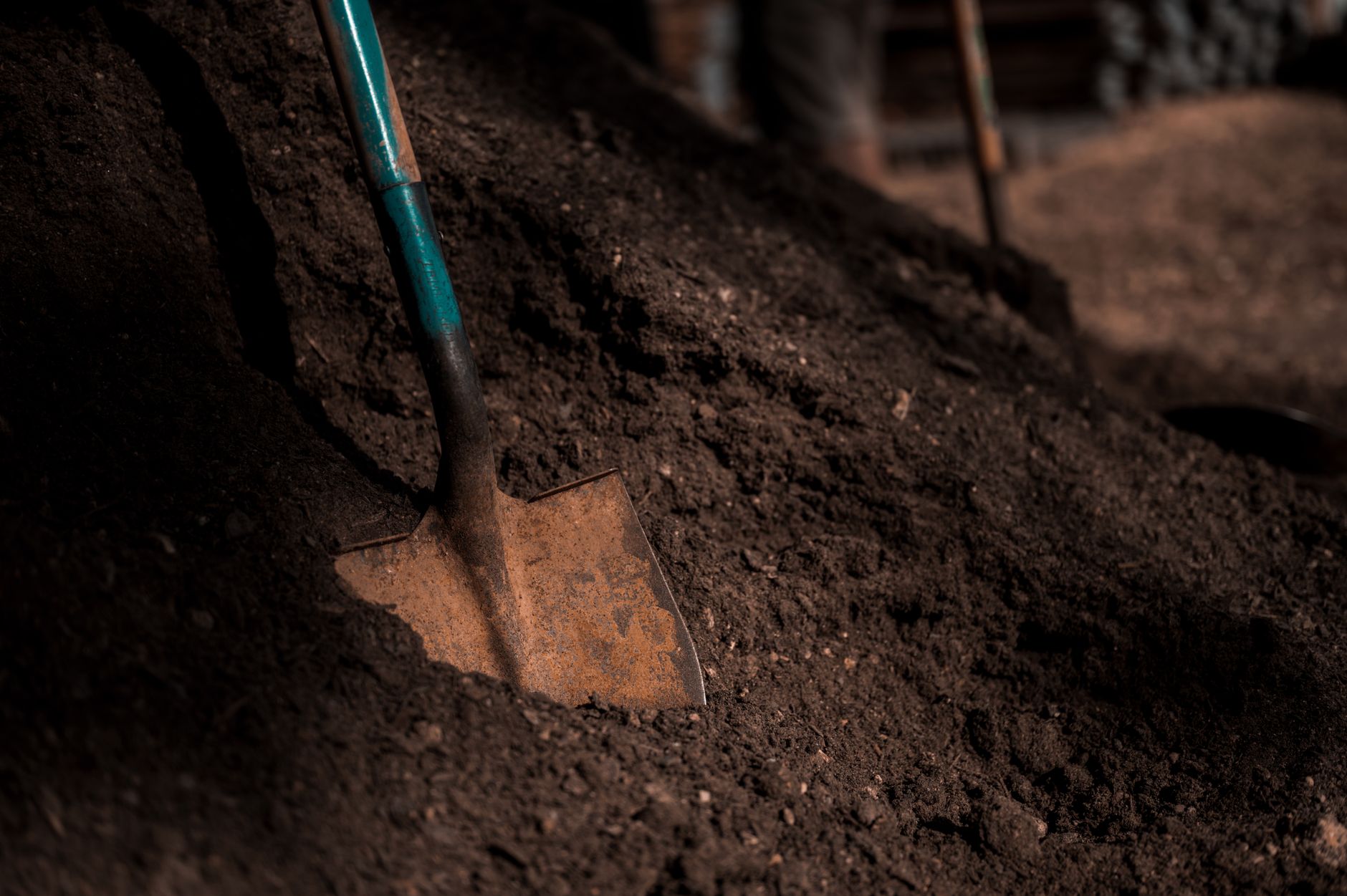
The classic recommendation is a 60/30/10 mix: topsoil, compost, and a grit or sharp sand element. That ratio holds up, but the execution matters. UK topsoil quality varies enormously by region. Clay-heavy soils from Midlands suppliers can compact badly in a raised bed, defeating the point. Ask specifically for screened topsoil and, if possible, get a sample before ordering a bulk delivery.
For the compost element, homemade wins every time on both cost and quality, but most people starting out won’t have enough. A decent alternative is spent mushroom compost, available from some farm shops and online suppliers, which is cheap, well-structured, and adds good organic matter. Avoid cheap bagged bark-heavy composts, which have a terrible carbon-to-nitrogen ratio and can actually lock up nutrients as they break down.
The grit or sharp sand element is often skipped, but in wet British autumns and winters it makes a real difference to drainage. About 10% by volume is enough. Horticultural grit rather than building sand, which can be too fine and cause compaction over time.
If you’re already composting your kitchen and garden waste, this is where it pays off most obviously. Linking your raised bed programme to a good composting habit creates a self-sustaining loop. If you haven’t started yet, our guide to composting in a small British garden walks through it step by step.
Which crops genuinely deliver value in raised beds
This is the question that matters most, and the honest answer requires separating two things: what grows well in raised beds, and what’s worth growing from a cost and yield perspective. They’re not always the same list.
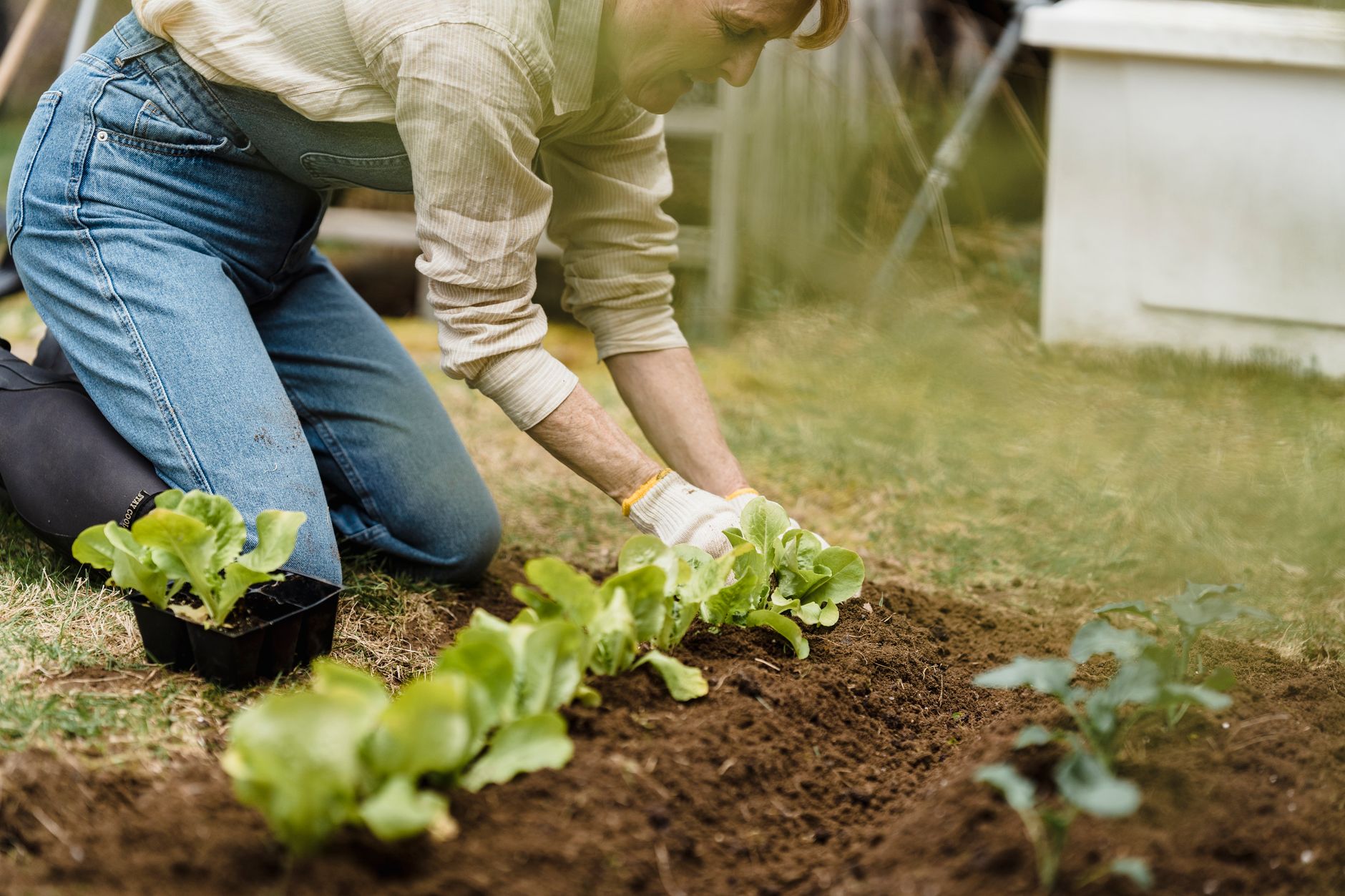
Salad leaves are the clear winner on value. A single 1.2m x 2.4m bed sown with cut-and-come-again varieties like lamb’s lettuce, rocket, and mixed leaf can produce harvests from April through October. Comparable bagged salad from a supermarket costs £1.50 to £2 per 80g bag. The maths add up very fast. Courgettes are another reliable high-yielder, two plants per bed will give you more than most families can eat through summer. French beans, dwarf varieties especially, perform brilliantly in raised beds and are expensive to buy fresh.
Tomatoes work well if you have a sunny south-facing position, though in northern England and Scotland a cold summer will punish you. Grow a cordon variety like Alicante or Gardener’s Delight rather than beefsteak types, which need more heat than a British August typically provides. Potatoes in raised beds are a personal call, they grow fine but take up a lot of space for the yield. I tend to skip them in favour of crops I can’t buy cheaply at the greengrocer.
Root vegetables need depth. Parsnips and long carrots want at least 40cm of loose, stone-free soil, which is one genuine advantage of a deep raised bed. Shorter varieties like Chantenay carrots are more forgiving and do well in a standard 30cm-deep bed. Beetroot is underrated, fast-growing, reliable, and much better eaten fresh than bought.
What to avoid: brassicas like Brussels sprouts and broccoli take up too much space for too long in a raised bed context. Sweetcorn needs a large block planting to pollinate properly, which rarely works in a typical garden setup. And pumpkins will simply colonise everything.
Raised beds and your wider garden, a few practical notes
Positioning matters more than most beginners think. Full sun for six or more hours a day is the gold standard, but even a partially shaded bed can work well for salad crops and spinach. Avoid siting beds under large trees, root competition and persistent leaf litter create more problems than the shade does.
If you’re working with an older property and disturbing ground near outbuildings, sheds, or any roofing material, take a moment to think about what’s around you. Old corrugated roofing on a shed, for example, sometimes contains hazardous materials. Specialist advice from a firm like Asbestos Compliance Solutions is worth getting before you start digging nearby, it’s a quick call that could save you from a serious problem.
Watering is the other big consideration. Raised beds drain faster than ground-level planting, which is generally good but means they dry out more quickly in a warm spell. A simple drip irrigation system on a timer costs around £30 to £50 to set up and will keep your crops going through a fortnight of dry weather without daily attention. The RHS has solid guidance on raised bed construction and maintenance if you want a deeper technical reference.
One thing I’d add from experience: don’t try to build six beds in year one. Start with two, learn how your soil mix settles and behaves through the seasons, and expand from there. The people who give up on raised bed gardening usually tried to do too much too fast and ran out of compost, time, or both. Get two beds running properly and the results will keep you going far more reliably than an ambitious layout that quickly becomes a burden.
If you’re weighing up raised beds against simply planting direct into the ground, our earlier piece on raised beds versus ground planting for British vegetables looks at the comparison in some detail. The short version: raised beds win on drainage, weed control, and early-season soil warmth, but ground planting has real advantages for larger crops and longer-term perennials.
Frequently Asked Questions
How much does it cost to set up a raised bed in the UK?
A basic softwood raised bed measuring around 1.2m x 2.4m costs £40 to £70 in materials if you build it yourself. Filling it with a good soil mix adds another £80 to £150 depending on whether you use bulk topsoil or bagged compost. Expect a realistic all-in cost of £120 to £250 for a first bed done properly.
What is the best soil mix for raised beds in the UK?
A 60/30/10 blend of screened topsoil, compost, and horticultural grit works well in most British conditions. The grit aids drainage through wet British winters and prevents compaction. Avoid cheap bark-heavy bagged composts, which can lock up nutrients as they break down.
How deep should raised beds be for growing vegetables?
A minimum depth of 25cm works for most crops, but 30cm is a better standard depth for general vegetable growing. Root crops like parsnips and long carrots need at least 40cm of loose soil to develop properly. Shallower beds of 15 to 20cm are only really suitable for salad leaves and herbs.
Which vegetables are best suited to raised beds in Britain?
Cut-and-come-again salad leaves, courgettes, French beans, beetroot, and dwarf carrots are among the most productive and cost-effective crops for UK raised beds. Tomatoes do well in sunny spots but suit southern England better than northern areas due to heat requirements. Avoid space-hungry crops like sweetcorn and large brassicas if your beds are limited.
Leave a Reply