Author: Alex Mason

  • Why English County Cricket Is Struggling to Fill Seats and What the ECB Plans to Do About It

    Why English County Cricket Is Struggling to Fill Seats and What the ECB Plans to Do About It

    Walk into a County Championship match on a Tuesday afternoon in May and you might find more seagulls than spectators. That is not entirely an exaggeration. Some grounds have recorded crowds in the low hundreds for four-day red-ball fixtures, and even the most loyal county members will admit the atmosphere can feel a little thin. English county cricket attendance problems are not new, but in 2026 the conversation has sharpened considerably, because the contrast with The Hundred’s packed stands has become impossible to ignore.

    Empty stands at an English county cricket ground illustrating attendance problems
    Photo by Jermaine Lewis on Pexels

    I’ve been watching county cricket since my father dragged me to Grace Road as a kid, and I’d argue the game has never felt more pulled in two directions. On one side, the purists who see the County Championship as the lifeblood of English cricket. On the other, an ECB determined to grow a new audience through franchise-format competitions that bear little resemblance to the sport’s traditional structure. The question is whether these two visions can genuinely coexist, or whether one is slowly starving the other.

    How bad are county cricket crowds really?

    The numbers are sobering. According to ECB data, average County Championship attendance across Division One in recent seasons has sat somewhere between 800 and 1,500 per day, depending on the fixture and ground. Some marquee matches, Roses clashes between Yorkshire and Lancashire, say, or Surrey at The Oval, can pull decent crowds. But a mid-table fixture between Worcestershire and Northamptonshire on a Wednesday? You’d be lucky to fill one stand.

    Part of this is structural. Four-day cricket played on weekdays is simply inaccessible for most working people. The ECB has known this for decades and yet the Championship schedule continues to load the bulk of its fixtures into weekday slots, partly because grounds share space with white-ball competitions and partly because the county calendar is genuinely congested. The result is a format that depends heavily on retired supporters and members, a demographic that is ageing visibly.

    Ticket pricing plays a role too. While Championship cricket is often cheaper than white-ball alternatives, the match-day experience at many grounds has not kept pace with what casual fans now expect. Food, seating, digital connectivity, live updates. Compare a day at a Hundred fixture to a Championship day and the gap in production values is stark.

    The Hundred debate: is it draining red-ball cricket’s oxygen?

    The Hundred is now in its fifth year and the ECB continues to defend it vigorously. Attendances at Hundred fixtures averaged over 20,000 per match in 2025, and the competition has genuinely brought younger and more diverse audiences into cricket grounds. That matters. I don’t think anyone serious can dismiss those numbers.

    But critics, and there are plenty, point to a real tension. The Hundred’s broadcast deal with Sky Sports and the BBC, which gives it primetime visibility, comes partly at the cost of County Championship coverage. Red-ball cricket on free-to-air television is now essentially nonexistent. You can watch The Hundred on BBC iPlayer. You cannot watch a day of Championship cricket on any free channel. For a format that is supposed to be the pathway to Test cricket, that absence from public view is a serious problem.

    The Cricketer magazine and various county CEOs have raised this point repeatedly. If young players are not watching red-ball cricket, and if casual fans cannot access it without a Sky subscription, the talent pipeline and the audience both narrow over time. The ECB’s counter-argument is that investment from The Hundred funds the county game. And that is true to a point. But money flowing into grassroots infrastructure doesn’t automatically put people in seats at Worcester on a damp Thursday morning.

    What the ECB says it is doing

    The ECB has not ignored the problem. In 2026, it announced a revised county funding model that ties a portion of central distributions to attendances and community engagement metrics. Counties that invest in local schools, junior programmes, and accessible ticket pricing will receive a larger share of central funds. In theory, this creates an incentive to actively grow local audiences rather than simply existing as professional cricket clubs.

    There is also a push to restructure the Championship schedule to include more weekend fixtures. The ECB’s official county cricket strategy acknowledges that midweek scheduling is a barrier and has committed to piloting a revised calendar from 2027. Whether counties and venues can accommodate that change alongside white-ball commitments remains genuinely unclear.

    Ticket pricing experiments are happening too. Several counties, including Lancashire and Hampshire, have trialled heavily discounted day tickets for under-25s, with some success. Hampshire’s Ageas Bowl reported a noticeable uptick in younger attendees on the back of £10 day passes. Small steps, but the direction is right.

    Grassroots fans feel left behind

    Talk to supporters who have followed county cricket for twenty or thirty years and the sentiment is remarkably consistent. They feel the game they love has been repositioned to appeal to someone else. The Hundred’s branding, its celebrity ambassador culture, its deliberately distanced relationship with county identity, all of it feels alien to the person who has held a Warwickshire or Kent membership for decades.

    This is more than nostalgia. It is a legitimate concern about whether the ECB’s strategy is building a sustainable audience or simply rotating an existing one between formats. English county cricket attendance problems will not be solved by a franchise competition that competes for the same summer weekend. They will be solved, if they are solved at all, by making red-ball cricket visible, affordable, and part of a genuine sporting culture again.

    Some of this is about broadcasting. The BBC’s limited free-to-air coverage of The Hundred is a start, but extending that to at least one Championship round per season would make a measurable difference to public awareness. The Premier League figured out long ago that free-to-air exposure builds the audience that pay-TV then monetises. Cricket has been slow to apply the same logic.

    If you’re interested in how attendance pressures and commercial tensions are reshaping other parts of British sport and leisure, take a look at how the British cycling boom has managed to pack out sportive events at a time when participation in other sports has stalled. The contrast is instructive. And if you want a reminder of how quickly a beloved British institution can lose its audience when the commercial model shifts beneath it, the story of the declining British high street bookshop is uncomfortably familiar.

    County cricket is not finished. But it needs an ECB that is honest about the trade-offs it has made, not just one that counts Hundred attendances and calls the sport healthy. The fans sitting in near-empty stands on Tuesday afternoons deserve better than that.


  • Raised Beds vs Ground Planting: Which Grows Better Vegetables in a British Climate?

    Raised Beds vs Ground Planting: Which Grows Better Vegetables in a British Climate?

    Ask any allotment holder what they think of raised beds and you’ll get a passionate answer either way. I’ve tried both across a few different growing spaces over the years, and the honest truth is that neither method is universally better. It depends heavily on where in Britain you are, what your soil is doing beneath your feet, and how much you’re willing to spend upfront. The raised beds vs ground planting UK vegetables debate is one worth settling properly, so let’s go through it region by region and crop by crop.

    Timber raised beds growing vegetables on a British allotment, illustrating raised beds vs ground planting UK vegetables
    Photo by Artem Lysenko on Pexels

    What raised beds and in-ground planting actually mean

    Raised beds are frames, usually timber, sleepers or galvanised metal, filled with bought-in or composted growing medium and set above the existing soil level. They can be anywhere from 15 centimetres to a metre high. In-ground planting is exactly what it sounds like: you prepare the existing earth, improve it if needed, and grow directly in it. Both approaches have been used in British kitchen gardens for centuries. Neither is new technology.

    The reason this question has sharpened in the last few years is partly cost of living (buying topsoil and compost is not cheap) and partly the growth of smaller urban growing spaces where people are working with concrete, rubble or compacted clay and need a workaround fast. Organisations like the Royal Horticultural Society have published guidance noting that raised bed growing can significantly improve yields in poor soil conditions, though they stop short of declaring it the default winner.

    How British soil types change the calculation

    This is where the raised beds vs ground planting UK vegetables question gets genuinely interesting. Britain has some of the most varied soil types in Europe across a relatively small land mass. Heavy clay dominates much of the Midlands, parts of Essex, and swathes of the South East. Sandy, free-draining soils are common across the Breckland of Norfolk and Suffolk and parts of the South Coast. Peat soils remain in parts of Scotland, Somerset and Lancashire. Chalk runs across the North and South Downs.

    If you’re sitting on London clay or Midlands clay, raised beds are transformative. Clay is waterlogged through winter, compacts easily, warms slowly in spring, and produces a concrete-like crust during a dry spell. Root vegetables like carrots and parsnips are nearly impossible without significant intervention. Filling a raised bed with a decent loam and compost mix sidesteps all of that immediately. You’re essentially importing a better environment.

    Sandy or chalky soils tell a different story. They drain too fast, struggle to retain nutrients, and dry out quickly in summer. A raised bed on top of sandy soil can actually worsen drainage, pulling moisture away from roots even faster. Here, in-ground growing with heavy organic matter incorporation often performs better. The goal is to slow water movement, not accelerate it, and mulching directly into the ground achieves that more effectively than a raised frame above it.

    Rainfall, drainage and the great north-south divide

    Britain’s rainfall distribution matters enormously for this decision. The west of Scotland, the Lake District, Wales and parts of Devon and Cornwall regularly receive over 1,500 millimetres of rain per year. The eastern counties, the Thames Valley and the East Midlands can sit below 600 millimetres. That gap shapes everything about how vegetables grow and where water sits.

    In high-rainfall areas, waterlogging is the primary enemy of most vegetable crops. Raised beds raised even 20 centimetres above the surrounding soil level drain far more efficiently, and the improved air circulation around roots matters in a wet climate. Brassicas, courgettes, and legumes particularly suffer in waterlogged conditions. In Scotland and Wales, I’d back raised beds almost categorically for anyone not working with genuinely sandy ground.

    In drier eastern counties, the calculus shifts. In-ground growing retains moisture better across a long dry spell. Raised beds in a Norfolk summer without serious mulching and regular watering can dry out within days. Tomatoes, sweetcorn and beans planted into well-prepared in-ground beds with good organic matter often outperform raised equivalents during a dry season simply because the moisture reservoir is larger.

    Growing seasons and soil temperature

    Raised beds warm up faster in spring. Soil in a raised bed can be two to four degrees Celsius warmer than surrounding ground during March and April, which makes a real difference to germination times. In the North of England and Scotland, where the growing season is already compressed, that head start can mean getting a crop of early potatoes or salad leaves away three weeks ahead of your neighbour who’s growing in the ground. That is not a trivial advantage.

    The flip side is that raised beds also lose heat faster in autumn and are more vulnerable to hard frosts from below as well as above. Ground planting insulates better through temperature extremes. Root crops like parsnips, kale, and leeks left in the ground overwinter with more natural protection than the same crops in a raised bed that may freeze solid in a cold December. This is worth thinking about if you plan to harvest through winter rather than lift and store everything in autumn.

    Cost: the honest version

    Raised beds are not cheap to set up. A decent set of hardwood or pressure-treated softwood frames for a standard 1.2 by 2.4 metre bed will cost between £40 and £120 depending on material. Then you need to fill it. A cubic metre of good topsoil and compost blend costs anywhere from £80 to £150 delivered, and a standard raised bed needs roughly 0.3 to 0.4 cubic metres to fill adequately. Before you’ve planted anything, you could be £150 to £200 into a single bed.

    In-ground planting is largely free if you already have the space. Yes, you may want to add organic matter and compost regularly, which has a cost, but it is a fraction of the outlay for raised beds. If you’re working with reasonable soil and have the patience to improve it gradually over a few seasons, ground planting wins on pure economics. For more on improving growing conditions with organic material, the composting beginner guide on this site is worth a read before you spend anything on bought-in compost.

    Long-term, raised beds need less weeding (a genuine time saving) and are easier on the back. Those benefits accumulate over years. Whether they justify the upfront cost depends on your budget and how long you plan to stay in the same garden. Renters, in particular, should think twice before investing heavily in permanent raised infrastructure.

    Which vegetables actually perform better in each system

    Root vegetables, particularly carrots, parsnips and beetroot, are the standout winners in raised beds on heavy or stony soil. The loose, stone-free medium lets roots develop straight and deep. Salad crops, radishes and spring onions also do well in raised beds because of the quick drainage and fast soil warming. Strawberries are excellent in raised beds, where slugs find them slightly harder to reach.

    In-ground planting suits larger, hungrier crops better. Pumpkins, courgettes, and squash spread aggressively and appreciate the larger moisture reservoir. Brassicas, particularly Brussels sprouts and purple sprouting broccoli, develop stronger root systems in the ground and are less likely to blow over in autumn winds. Climbing beans and sweet peas also tend to anchor better in the ground.

    Slugs are worth mentioning here. In-ground beds in damp British conditions can be absolutely plagued by them. Raised beds offer slightly better protection, especially metal-sided ones, but they are far from slug-proof. If you’re working with a ground bed in a wet area, check the guide to slug control after the metaldehyde ban for methods that actually hold up in 2026.

    One more practical consideration: if your garden might be affected by invasive plants like Japanese knotweed, a raised bed with a proper membrane base gives you far more control over what enters the growing medium than an open in-ground plot. It won’t stop an established infestation, but it does provide a cleaner starting point in affected areas.

    My honest verdict

    Raised beds win in clay-heavy or waterlogged ground, in high-rainfall western and northern regions, for anyone with limited mobility, and for urban plots where the existing soil is rubble or compacted hardstanding. In-ground planting wins in sandy or chalk soils, in drier eastern counties, for large-scale growing, and wherever budget is tight. The worst thing you can do is assume one approach is universally superior and commit fully without assessing what’s actually under your feet first. Dig a hole 30 centimetres deep before you spend a penny. What you find tells you most of what you need to know.

  • Japanese Knotweed in UK Gardens: Your Legal Obligations and the True Cost of Removal

    Japanese Knotweed in UK Gardens: Your Legal Obligations and the True Cost of Removal

    Japanese knotweed has a reputation that precedes it. Estate agents go quiet, surveyors reach for their red pens, and mortgage lenders start asking awkward questions the moment it appears on a property survey. If you’ve just found it spreading along your back fence or pushing up through a patio slab, the first thing to know is this: you are not automatically in criminal trouble. But you do have legal responsibilities, and ignoring them will cost you more than the plant itself.

    I’ve spoken to homeowners who discovered knotweed mid-sale, others who found it creeping in from a neighbour’s garden, and a few who had owned their property for years without realising what that thick bamboo-like growth actually was. The legal and financial consequences are very different in each case, so it’s worth getting the specifics right from the start.

    Japanese knotweed growing along a garden fence, illustrating the japanese knotweed removal cost uk legal challenge for homeowners
    Photo by Donald Tong on Pexels

    What is Japanese knotweed and why does it matter legally?

    Fallopia japonica, to give it its proper name, is a fast-growing perennial that can grow up to 10 centimetres per day during summer. Its root system, called rhizomes, can extend 3 metres deep and 7 metres outward, which is why it can crack concrete, damage drainage pipes, and undermine building foundations. The plant arrived in Britain during the Victorian era as an ornamental species and has no natural predators here, which is why it spreads so aggressively.

    Under the Wildlife and Countryside Act 1981, it is illegal to plant Japanese knotweed or cause it to grow in the wild. More practically, under the Environmental Protection Act 1990, any knotweed you excavate or cut back is classified as controlled waste, meaning you cannot simply bag it up and take it to your local recycling centre. Fly-tipping knotweed is a criminal offence. You can face an unlimited fine and, in serious cases, up to two years in prison. The government’s official guidance on Japanese knotweed is clear: you are not legally obliged to remove it from your own land, but you are obliged to prevent it spreading to neighbouring properties or to land you do not own.

    The neighbour problem: when knotweed crosses a boundary

    If knotweed from a neighbouring garden is encroaching onto your land, you may have a civil claim against that neighbour under the tort of private nuisance. There have been several successful court cases where homeowners have been awarded damages and required neighbours to fund treatment plans. The Court of Appeal ruling in Williams v Network Rail Infrastructure Ltd (2018) confirmed that a landowner can be liable even if the knotweed has not yet physically crossed the boundary, provided its presence reduces the enjoyment or value of an adjacent property.

    This matters enormously in practice. My reading of the case law is that the risk of litigation is real, and solicitors dealing with property boundary disputes are seeing more knotweed cases than ever. If you suspect your neighbour’s knotweed is heading your way, document it with photographs and write to them in writing. If they do not act, the courts have shown they will.

    Surveyor inspecting garden plants as part of a japanese knotweed removal cost uk legal assessment
    Photo by Joe Hayes on Pexels

    How Japanese knotweed affects your mortgage

    This is where knotweed stops being just a gardening problem and becomes a serious financial one. Most mainstream UK mortgage lenders, including those on the high street, follow guidelines set by the Royal Institution of Chartered Surveyors (RICS). In 2022, RICS updated its guidance to use a risk-based category system rather than automatic refusals, but the practical reality is still complicated.

    If a surveyor flags knotweed on a property, lenders will typically require a management or treatment plan from a certified contractor before they will offer a mortgage, or they may refuse entirely if the plant is close to the main structure. Sellers are legally required to disclose the presence of knotweed on TA6 property information forms. Failing to disclose it is misrepresentation and can result in the buyer seeking damages after completion.

    Homeowners moving house in areas with high knotweed prevalence, particularly parts of South Wales, the Midlands, and the North West, know this pressure all too well. Professionals like those at Lister Group, a Mansfield, Nottinghamshire-based property services firm specialising in mortgages, lettings management, and buy-to-let services (lister-group.co.uk), often deal with the knock-on effects when buyers investing in property discover a knotweed disclosure mid-transaction. Being a landlord with knotweed on a rental property creates an additional layer of complexity, since it can affect both the property’s value and the landlord’s duty of care to tenants.

    What professional removal actually costs

    Here is where people often get a shock. Japanese knotweed removal cost across the UK varies enormously depending on the method used, the size of the infestation, and the location of the plant relative to buildings or boundaries.

    The two main approaches are herbicide treatment and excavation. Herbicide treatment is significantly cheaper and is now the most commonly recommended option for residential gardens. A typical programme runs across two or three growing seasons, with applications in spring and late summer. For a small domestic infestation (say, an area of 10 to 20 square metres), you might pay between £1,500 and £3,000 for the full treatment programme. Larger or more complex infestations near buildings can push costs to £5,000 to £10,000 or more.

    Excavation removes the plant faster but is far more expensive. Digging out rhizomes to a safe depth, disposing of the spoil as controlled waste, and replacing the soil can cost anywhere from £5,000 for a small plot to upwards of £50,000 for severe cases near foundations. Crucially, even after excavation, rhizomes left behind can regenerate, so ongoing monitoring is usually required. Most reputable contractors offer insurance-backed guarantees lasting five to ten years, which is what mortgage lenders typically want to see before releasing funds.

    For homeowners already stretched by rising energy bills (and the Ofgem price cap changes in 2026 have not helped), finding an extra several thousand pounds for knotweed treatment can feel impossible. But failing to act tends to push costs higher, not lower, as the plant spreads further each season.

    Choosing a knotweed contractor

    Use a contractor who is a member of the Property Care Association (PCA) or the Invasive Non-Native Specialists Association (INNSA). Both bodies have codes of conduct and provide insurance-backed guarantee schemes. An unregulated contractor who charges less upfront but offers no guarantee is worth nothing to a mortgage lender and nothing to a future buyer.

    Get at least two quotes, ask to see examples of their management plans, and confirm the plan will be documented in a format your mortgage lender will accept. Some lenders have specific requirements about the length and structure of guarantees, so it is worth checking with your broker before signing anything.

    If you are planning any significant garden improvements, such as adding a garden room or outbuilding, it is also worth knowing that UK planning rules for outbuildings do not override the requirement to disclose and manage knotweed if it is present on the plot.

    Can you sell a property with Japanese knotweed?

    Yes, but you must disclose it. Properties with an active, insured treatment plan in place are far more sellable than those where nothing has been done. Buyers, particularly those investing in property for rental or resale, are understandably cautious. Homeowners across Nottinghamshire and the wider Midlands often work with specialist property advisers like Lister Group when navigating sales where knotweed has been flagged, since buy-to-let investors and portfolio landlords need clear confirmation that liability has been addressed before moving house or completing a purchase.

    The bottom line is that knotweed found early, treated by a certified contractor, and covered by a reputable guarantee is a manageable problem. Left alone, it becomes an expensive legal liability and a near-certain deal-breaker at the point of sale.

    If you have recently taken on a new garden and are not sure what you are looking at, the Wildlife Trusts and the government’s own guidance resources have clear photo identification tools. The distinctive red-speckled hollow stems and shield-shaped leaves are worth knowing. And if you do find it, act quickly. The plant does not wait, and neither do the legal obligations that come with it.

  • Inside the British Cycling Boom: Why Sportive Events Are Selling Out Faster Than Ever

    Inside the British Cycling Boom: Why Sportive Events Are Selling Out Faster Than Ever

    Sign-up windows that close within hours. Waiting lists stretching into the hundreds. Cyclists you’ve never seen near a bike lane suddenly disappearing for entire weekends with a Garmin on their wrist. Something is happening on Britain’s roads, and it’s picked up serious pace. Cycling sportive events UK 2026 is not a niche search term anymore. It’s a full-blown cultural phenomenon, and the numbers back it up.

    Cyclists taking part in cycling sportive events UK 2026 riding through the Yorkshire Dales on a spring morning

    British Cycling reported that participation in organised amateur cycling events grew by roughly 34% between 2023 and 2025, with 2026 shaping up to be the busiest season yet. Sportives, for the uninitiated, sit somewhere between a fun ride and a race. There’s no peloton competition, no prize money, just a timed, supported route through the countryside, usually ranging from 50 to 160 kilometres. You ride against yourself, or at least that’s what people tell themselves when they’re quietly eyeing the bloke in front at mile 40.

    What’s Actually Driving the Surge in Sportive Participation?

    A few things have converged at once. Post-pandemic fitness habits stuck. A generation of people who bought road bikes in 2020 have now actually got reasonably good at using them. E-bikes have lowered the barrier for older riders or those returning from injury. And there’s something else: the social side.

    Sportives are genuinely sociable in a way that parkrun or gym sessions aren’t. You travel with a group, you suffer together on a climb, you eat a banana and a flapjack at a feed station in a village hall and feel entirely brilliant about it. For a lot of people, that combination of physical challenge and community is exactly what they were looking for without quite knowing it.

    The mental health angle matters too. Cycling charities such as Cycling UK have documented the wellbeing benefits of regular cycling, and sportives offer a structured goal that keeps people training consistently. Having a date circled in the calendar changes everything about your motivation through a grey February.

    Which Regions Are Seeing the Biggest Uptake?

    Yorkshire continues to punch well above its weight. The legacy of the 2014 Tour de France Grand Départ left an infrastructure of cycling enthusiasm that simply hasn’t faded. The Etape du Dales, the Fred Whitton Challenge in the Lake District, and the Dragon Ride in Wales consistently sell out within a day or two of opening registration. These are the prestige events, the ones that get shared on Strava and talked about in offices for weeks beforehand.

    But the growth isn’t just in the traditional cycling heartlands. The South Downs have seen a wave of new sportive routes established since 2024, and organisers in Norfolk and Suffolk report record sign-up numbers for flatlands events that appeal to newer riders who aren’t ready to tackle the Pennines. Scotland has seen a particular boom: events like the Etape Caledonia near Pitlochry, which runs through genuinely spectacular highland scenery, attracted over 4,000 riders in 2025 alone.

    London-based cyclists are increasingly travelling out for weekend events rather than sticking to closed-road rides in the capital. The M-Way on a Saturday morning, boot stuffed with a bike box and a bag of gels, has become a familiar British tableau.

    What Does It Actually Cost to Get Started?

    This is where people often get a shock. The bike is the obvious headline cost, and a decent entry-level road bike from brands like Boardman or Ribble starts at around £600 to £900 new. Realistically, for something that will handle a 100km sportive comfortably, you’re looking at £1,000 to £1,500. Second-hand is entirely viable and worth considering.

    Beyond the bike, entry fees for most UK sportives sit between £30 and £60 depending on the event’s size and prestige. The Dragon Ride and Fred Whitton tend to be towards the top end. You’ll also need a helmet (non-negotiable), cycling shorts with a decent chamois, cleated shoes if you’re going with clipless pedals, a jersey, and some kind of cycling computer or at minimum a phone mount.

    Realistically, your first season starter kit, bike included, could run to £1,800 to £2,500 if you’re buying everything new. But many riders start with far less, borrowing kit, buying second-hand on eBay, and gradually upgrading as the obsession deepens. And it does deepen. That’s almost guaranteed.

    How to Find and Enter Cycling Sportive Events in the UK

    The main aggregator sites are Sportive.com and British Cycling’s own event finder. For 2026, the advice is consistent from every experienced sportive rider: register early. Flagship events for summer 2026 were already showing full fields or waiting lists by February this year. If there’s a specific event on your list, set a diary reminder for the moment registration opens, typically six to nine months ahead for the popular ones.

    Smaller, local club-run sportives are an excellent alternative and often a better first experience. You’ll find them advertised through local cycling clubs, often affiliated with British Cycling, and they tend to have a friendly, unhurried atmosphere that suits newcomers. Some charge as little as £10 to £15, with all proceeds going to local charities.

    Training-wise, most first-timers underestimate the preparation required for anything over 80km. A consistent block of ten to twelve weeks of riding, gradually building weekly mileage, makes the difference between suffering and enjoying. Plenty of free plans exist online, and many cycling clubs offer guided group rides specifically aimed at sportive preparation.

    Is This Boom Built to Last?

    There’s a reasonable argument that what we’re watching is more than a post-pandemic blip. The infrastructure around sportives, from event organisers to kit brands to training coaches, has professionalised considerably. Events are better marshalled, better catered, and better marketed than they were five years ago. That makes the experience better, which brings more people in, which funds better events. It’s a cycle (forgive the word) that tends to sustain itself.

    The age range is broadening too. British Cycling data shows a significant increase in riders over 50 entering sportives, partly driven by e-bike accessibility but also by a cultural shift in what people in their fifties and sixties consider an appropriate Saturday challenge. The old retirement model of a gentle walk and a bit of golf is competing with something rather more demanding, and for many, the demanding option is winning.

    If you’ve been half-thinking about entering a sportive and keep putting it off, the main risk right now isn’t the hills. It’s that by the time you decide you’re ready, the event you wanted will already be full.

    Frequently Asked Questions

    What is a cycling sportive and how is it different from a race?

    A sportive is a mass-participation timed ride, not a competitive race. Riders complete a set route at their own pace, often with feed stations and mechanical support provided. There’s no podium or prize money, just a personal time and the satisfaction of finishing.

    How much does it cost to enter a cycling sportive in the UK?

    Entry fees for UK sportives typically range from £10 to £15 for small club-run events up to £50 to £60 for major events like the Fred Whitton or Dragon Ride. Costs on top of the entry fee include travel, accommodation if it’s away from home, and any additional kit or nutrition you need.

    Which are the best cycling sportive events in the UK for beginners?

    Beginners often do well starting with local club-run sportives that offer shorter distances, typically 40 to 60km, and a relaxed atmosphere. As confidence grows, events in flatter regions like Norfolk or the Somerset Levels are a good step up before tackling hillier routes in Yorkshire or Wales.

    Do I need a road bike to do a UK sportive?

    A road bike makes longer distances considerably more comfortable, but many sportives accept hybrid bikes, gravel bikes, and e-bikes. Check individual event rules before entering, as some closed-road events have specific bicycle eligibility requirements.

    How do I find cycling sportive events UK 2026 near me?

    The British Cycling event finder and Sportive.com are the two most comprehensive listings for UK events. Local cycling clubs affiliated with British Cycling are also an excellent source of information about smaller, community-run rides in your area.

  • Slug Control in 2026: Which Methods Are Actually Working for British Gardeners After the Metaldehyde Ban

    Slug Control in 2026: Which Methods Are Actually Working for British Gardeners After the Metaldehyde Ban

    Slugs have always been the bane of the British garden. But since the full enforcement of the metaldehyde slug pellet ban came into effect, gardeners across the country have been scrambling to find alternatives that actually do the job. The old blue pellets were effective, there is no denying that. Now they are gone, and the options on the shelf look very different. So which of the slug control UK metaldehyde ban alternatives are genuinely worth your time and money, and which are more garden folklore than science?

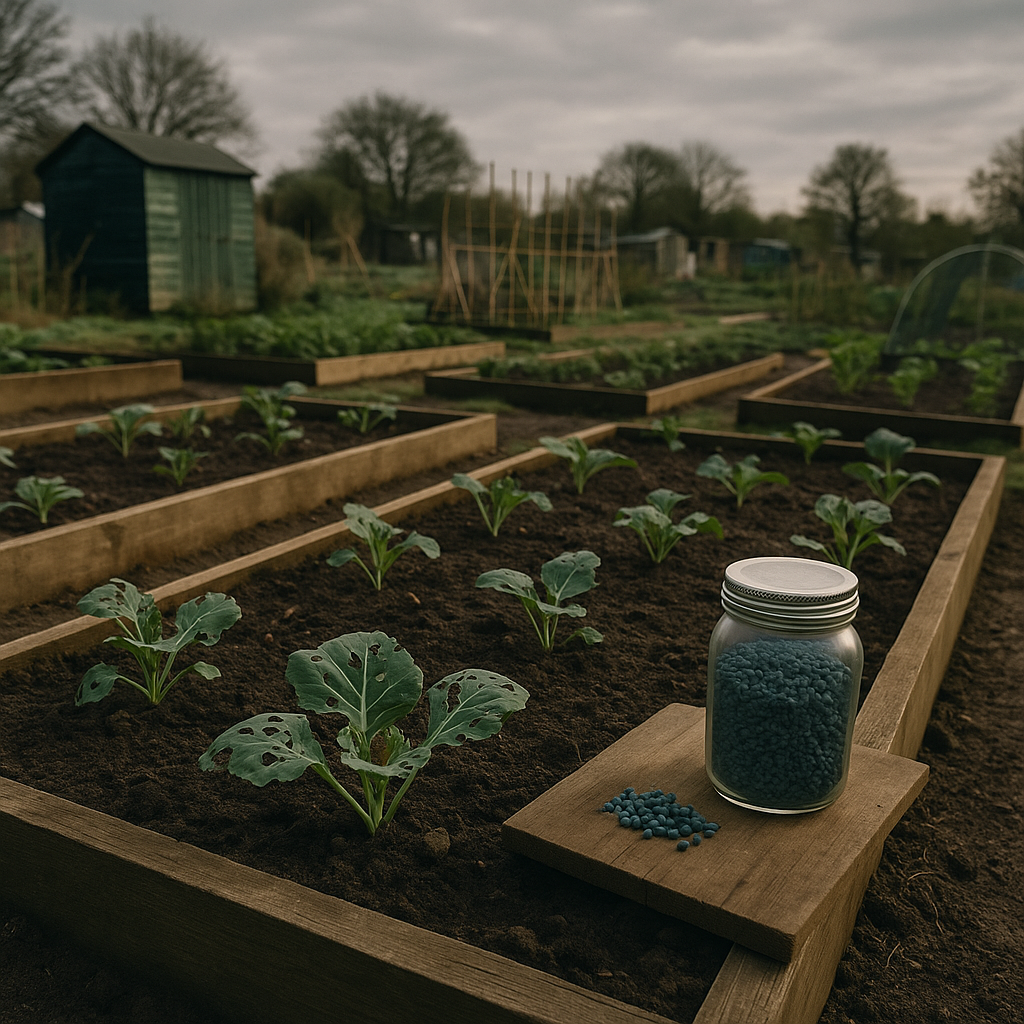
    British allotment raised beds with slug damage on brassicas, showing slug control UK metaldehyde ban alternatives in use

    Why Metaldehyde Was Banned and What Replaced It Legally

    The UK government banned the use of metaldehyde-based slug pellets in March 2022 following concerns raised by the Health and Safety Executive about the risk to wildlife, particularly birds and hedgehogs, and contamination of water courses. The ban was not sudden or without warning, but plenty of gardeners still found themselves caught out. You can read the official guidance on the gov.uk website, which outlines the permitted alternatives and the reasoning behind the decision.

    The product that stepped in most prominently was ferric phosphate, sold under brand names like Sluggo and Ferrozan. Ferric phosphate is approved for use in organic gardening and breaks down into iron and phosphate in the soil. It is genuinely less toxic to birds and mammals than metaldehyde. That much is settled. The real question is whether it kills slugs as reliably.

    Ferric Phosphate Pellets: Honest Assessment

    Most gardeners who have made the switch to ferric phosphate pellets report that they work, but more slowly. Slugs that ingest them stop feeding within hours, but they tend to retreat underground before dying, so you do not see the pile of dead slugs that metaldehyde used to leave behind. This makes it harder to judge effectiveness. Some growers assume the pellets are not working simply because there are no visible casualties.

    The drawback is moisture sensitivity. In a wet British spring, ferric phosphate pellets dissolve faster than they probably should, which means you need to reapply more frequently. On a dry spell they perform much better. The consensus among allotment holders and kitchen gardeners I have spoken to is that ferric phosphate pellets are a solid first line of defence but work best as part of a broader approach rather than a standalone fix.

    Nematodes: The Underground Option

    Phasmarhabditis hermaphrodita, the slug-killing nematode, has been available to UK gardeners for years but has seen a real surge in interest since the metaldehyde exit. You water them into the soil and they seek out slugs beneath the surface, which is exactly where most of the damage begins. Brands like Nemaslug (produced by BASF and widely stocked at garden centres) are the go-to product.

    Nematodes genuinely work, provided a few conditions are met. Soil temperature needs to be above 5°C for them to be effective, which limits use in early spring and late autumn. They need moist but not waterlogged soil. And they target soil-dwelling slugs specifically, so surface feeders like the large black slug may be less affected. The cost is also a consideration; a pack covering 40 square metres runs to around £9-£12 and needs reapplying every six weeks during the growing season. For a modest raised bed it makes sense. For a large vegetable plot, costs add up.

    On heavy clay soils, which are common in much of the Midlands and south-east England, drainage can limit nematode movement. Sandy or loamy soils give better results. Worth trying for certain, but tailor your expectations to your actual soil type.

    Copper Barriers and Physical Methods

    Copper tape around pots is probably the most well-known physical deterrent, and it does work to a degree. The theory is that copper reacts with slug mucus and causes a mild electrical-like sensation that deters them. The practical reality is that it works best on clean, dry pot rims. Dirty or wet copper loses its effect quickly, and slugs determined enough, or hungry enough, will find a way over.

    Wool pellets are another physical option that has gained ground since the ban. Products like Slug Gone use waste sheep wool, which swells when wet and creates an abrasive barrier slugs dislike. They also act as a soil conditioner as they break down. Feedback from UK growers has been broadly positive for protecting individual plants or small beds, though they are not cheap per square metre.

    Crushed eggshells, sharp grit, and coffee grounds are the classic thrifty alternatives. Honest verdict: they offer modest deterrence in dry conditions and almost none when it rains. They are free or near-free, so worth using, but not worth relying on.

    Wildlife-Friendly Slug Control: Working With Nature

    One of the unintended upsides of the metaldehyde ban is that it has pushed more British gardeners towards genuinely ecological thinking. Hedgehogs, frogs, toads, slow-worms, song thrushes, and ground beetles are all natural slug predators. A garden that supports those species will have fewer slug problems over time.

    Practical steps include leaving a log pile or rough corner for hedgehogs, installing a small garden pond for frogs and toads, and avoiding the use of any pesticides that kill ground beetles. If you have been using slug control UK metaldehyde ban alternatives that are wildlife-safe, you are already helping to rebuild these predator populations. It takes more than one season to see the benefit, but the results are real.

    Beer traps are unglamorous but effective for monitoring and reducing slug numbers in specific areas. A cheap lager in a buried jar with the rim at soil level catches surprising numbers overnight. Empty and refill every couple of days.

    What Actually Works: A Practical Combination

    No single method replaces what metaldehyde used to do on its own. The gardeners getting the best results in 2026 are using a layered approach: ferric phosphate pellets as the primary active control, nematodes applied twice during the main growing season, physical barriers around the most vulnerable plants, and habitat improvements to encourage natural predators.

    Timing matters too. Slugs are most active in mild, wet conditions, which describes much of the British spring and autumn. Applying controls before a warm wet spell, rather than after damage appears, makes a significant difference. Check the Met Office forecast and treat ahead of rain rather than after it.

    The ban on metaldehyde was the right call for wildlife and water quality. It just means gardeners now have to be a bit more strategic. The good news is that the alternatives, used properly and in combination, really do hold slug populations in check. It requires more attention than scattering blue pellets once a fortnight, but the results can be equally effective and considerably better for everything else living in your garden.

  • How British Newspapers Are Adapting to Survive the Digital Advertising Collapse

    How British Newspapers Are Adapting to Survive the Digital Advertising Collapse

    Print advertising revenue in Britain has been falling for the best part of two decades. But 2026 feels different. The decline has reached a point where even the most storied titles can no longer paper over the cracks with digital display ads alone. The UK newspaper industry digital survival question is no longer theoretical. It is urgent, operational, and reshaping newsrooms from Fleet Street to Glasgow.

    The numbers are stark. According to the Office for National Statistics, advertising spend across UK print media has dropped consistently since 2008, with digital platforms absorbing the lion’s share of brand budgets. Google and Meta collectively account for roughly half of all UK digital advertising spend. That leaves precious little for publishers who once funded entire foreign bureaus on the back of classified ads and display pages.

    British newsagent storefront with stacked newspapers reflecting the challenges of UK newspaper industry digital survival 2026
    British newsagent storefront with stacked newspapers reflecting the challenges of UK newspaper industry digital survival 2026

    Why Print Ad Revenue Collapsed Faster Than Expected

    The speed of the collapse caught many publishers off guard. Regional titles especially had pinned their hopes on digital display advertising bridging the gap. It never did. The rates paid per thousand impressions on publisher websites are a fraction of what a half-page spread in a local paper once commanded. Add to that the rise of ad-blocking software, programmatic buying driving prices into the floor, and the wholesale migration of classified advertising to platforms like Rightmove and AutoTrader, and you have a structural crisis rather than a cyclical dip.

    National broadsheets felt it too, but had slightly more runway. The Times, The Guardian, The Daily Telegraph and The Independent all launched digital subscription products at different points, with varying degrees of success. The Guardian’s model, which relies on voluntary reader contributions rather than a hard paywall, has drawn international attention. By 2026, it reports millions of paying supporters globally. It is not a replicable model for every title, but it proved something critical: readers will pay, if the value proposition is right.

    Subscription Models: The New Foundation

    Subscriptions are now central to UK newspaper industry digital survival strategies. The Times has been behind a paywall for years and quietly built a digital subscriber base running into the hundreds of thousands. The Daily Telegraph similarly restructured around digital subscriptions after a turbulent ownership period. Even mid-market titles have introduced tiered offerings, mixing free access with premium newsletters and ad-free reading experiences.

    Regional publishers have been slower to adopt paywalls, partly because local news audiences expect free access, and partly because regional papers have never had the brand prestige of national titles. Reach plc, which publishes the Manchester Evening News, the Liverpool Echo, and dozens of other regional titles, has been experimenting with registration walls and data-driven personalisation rather than hard paywalls. The logic is that first-party audience data has become a tradeable asset in its own right.

    Journalist typing in a UK newsroom as part of the UK newspaper industry digital survival shift in 2026
    Journalist typing in a UK newsroom as part of the UK newspaper industry digital survival shift in 2026

    Live Events and Brand Partnerships Filling the Gap

    Beyond subscriptions, publishers have turned to live events as a meaningful revenue stream. The Guardian Live has hosted talks, debates and cultural events across the UK for several years. The Financial Times runs conferences that attract senior executives and government figures, charging thousands of pounds per ticket. These events do double duty: they generate direct revenue and reinforce the publication’s authority in a way that a banner ad never could.

    Smaller regional titles have taken a local spin on the same idea. Business breakfasts, property awards nights, community festivals supported by editorial sponsorship. These are not glamorous, but they work. A title with deep roots in its city can charge local businesses for table sponsorships at awards ceremonies in a way that feels natural rather than transactional.

    Branded content, sometimes called native advertising or content marketing, has also grown significantly. Publishers create editorial-quality articles and video on behalf of brands, published on their platforms with a disclosure label. Done well, it is genuinely useful. Done badly, it erodes trust. The best UK publishers have invested in dedicated brand studios. The Telegraph’s Spark studio and News UK’s offering for The Times and The Sun are among the more developed examples. The challenge is maintaining clear separation between commercial content and editorial, something the Independent Press Standards Organisation continues to monitor.

    Technology and Newsletters: Building Direct Relationships

    One of the more interesting shifts has been the newsletter revival. Publishers who once worried about driving readers off-platform to email have embraced the format. The Spectator, The New Statesman and a range of national titles now publish dozens of newsletters targeting specific audience segments. A newsletter creates a daily or weekly habit, lands directly in a reader’s inbox, and is far less dependent on algorithmic distribution than social media traffic.

    Substack and similar platforms have enabled individual journalists to build standalone audiences, which creates a genuine tension for legacy publishers. If a star columnist can take their readers with them and earn more independently, retaining talent becomes harder. Some UK publishers have responded by offering profit-sharing arrangements or internal newsletter products with better revenue splits. Others have struggled to adapt quickly enough.

    Regional Papers: A Different Kind of Pressure

    The situation for regional titles is arguably more precarious than for national broadsheets. Local democracy relies on local journalism. Court reporting, council scrutiny, planning application coverage: these things matter to communities in ways that a national publication cannot replicate from a London office. The BBC has made efforts to fund local democracy reporters through a partnership scheme, placing journalists in regional newsrooms. It is a sticking plaster rather than a solution, but it has kept some genuine public interest journalism alive.

    Funding bodies like Ofcom have also flagged the news deserts problem, where entire towns and counties lose meaningful local news coverage. There are now serious discussions in government about tax relief for journalism, similar to models used in France and Scandinavia. Whether Westminster acts on this in 2026 remains to be seen.

    What Does Survival Actually Look Like?

    Honest answer: it looks different for every title. For the nationals with global brand recognition, it probably means a mixed revenue stack of subscriptions, events, branded content and some digital advertising. For regionals, it may mean leaner newsrooms, more community ownership models, and a heavier reliance on institutional support. Some titles will not make it. Several have already folded or gone digital-only in recent years.

    The UK newspaper industry digital survival story is not a straight line from crisis to recovery. It is messy, uneven, and still unfolding. But the number of publishers actively innovating, rather than simply cutting, has genuinely increased. That is, at least, a reason not to write the obituary just yet.

    Frequently Asked Questions

    Are UK newspapers making money from digital subscriptions?

    Some are. The Times and The Guardian have built significant digital subscriber bases, while regional titles have had more mixed results. Subscriptions now form a meaningful part of revenue for many UK publishers, though few have replaced lost print advertising income entirely.

    Which UK newspapers have survived by going digital-only?

    The Independent made the full switch to digital-only back in 2016 and has remained operational since. Several regional titles have also dropped print editions to cut costs, though digital-only models require strong audience and subscription numbers to remain viable.

    How much has UK print advertising revenue fallen?

    Print advertising in the UK has declined sharply since its peak in the mid-2000s, with billions of pounds in spend migrating to digital platforms. Industry estimates suggest total print ad revenue is now a fraction of what it was 15 years ago, with no meaningful recovery expected.

    What is branded content and how do UK newspapers use it?

    Branded content is editorial-quality material produced on behalf of an advertiser and published on the newspaper’s platform, clearly labelled as sponsored or advertising. UK titles like The Telegraph and The Times operate dedicated brand studios offering this service to large advertisers as a premium product.

    Is local news in danger of disappearing in the UK?

    Yes, in many areas it already has. Ofcom and press freedom groups have highlighted growing news deserts where towns and districts have lost regular local coverage. The BBC’s Local Democracy Reporting Service funds some positions in regional newsrooms, but it has not fully offset the decline in dedicated local journalism.