Category: Gardening

  • Raised Bed Vegetable Gardening in Britain: The Honest Cost Breakdown Before You Start Digging

    Raised Bed Vegetable Gardening in Britain: The Honest Cost Breakdown Before You Start Digging

    Every spring, the same fantasy takes hold. You picture neat rows of courgettes, a corner full of salad leaves, the satisfying thud of a homegrown beetroot hitting a chopping board. Raised beds seem like the obvious starting point, tidy, manageable, no wrestling with compacted clay. But before you reach for a spade or start browsing timber online, it is worth knowing what this actually costs. Because the raised bed vegetable garden cost UK gardeners face in 2026 is higher than most Instagram posts suggest, and the soil is almost always the bit that catches people off guard.
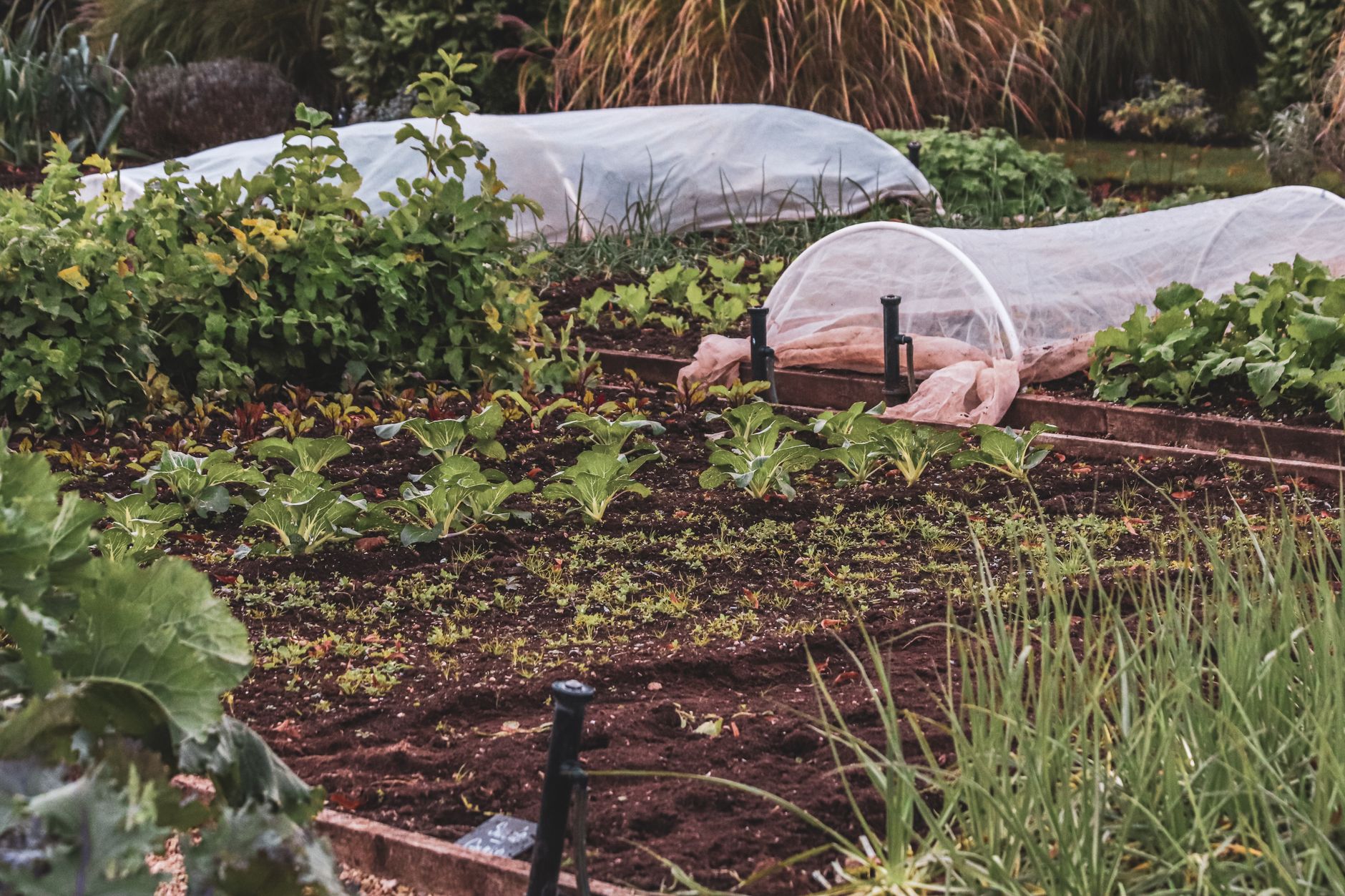
    Raised bed vegetable garden in a British back garden with timber beds and mixed crops
    Photo by Boys in Bristol Photography on Pexels

    What a basic raised bed setup actually costs

    Let us start with the bed itself. A standard single raised bed measuring roughly 1.2 metres by 2.4 metres, which is the size most beginners go for, will run you anywhere from £35 to £300, depending almost entirely on what it is made from. That is a wide range, so the material choice genuinely matters.

    Pressure-treated softwood (usually pine or larch) is the most popular option and typically comes in kit form from garden centres or online retailers like Harrod Horticultural. A decent 30cm-deep timber kit in this size costs around £60 to £90. Untreated timber is cheaper upfront but will rot within three to five years in a British climate, so the long-term value is poor. If you want to go further and use proper hardwood such as oak, expect to pay £150 to £200 for the same footprint, but a well-made oak bed can last 20 years without treatment.

    Galvanised steel raised beds have become considerably more popular since 2023. They look sharp, they are essentially permanent, and they resist the kind of slugs-and-rot drama that plagues wooden frames in wet northern gardens. Prices start at about £90 for a shallow steel bed and climb quickly to £250 or more for the deeper, more substantial versions from brands like Haxnicks or Veg Trug. If you are planning a long-term growing setup, the maths can favour metal over a decade. Aesthetics are subjective, I find them a bit clinical, personally, but they are genuinely practical.

    Recycled or repurposed options cost much less. Old scaffolding boards can be sourced from salvage yards for £10 to £20 each. A full bed from reclaimed timber might cost £20 to £40 in materials if you are handy with a drill. The environmental argument is reasonable, though you need to avoid boards that were treated with creosote or certain chemical preservatives, as these can leach into growing soil.

    The soil is where most people get a nasty shock

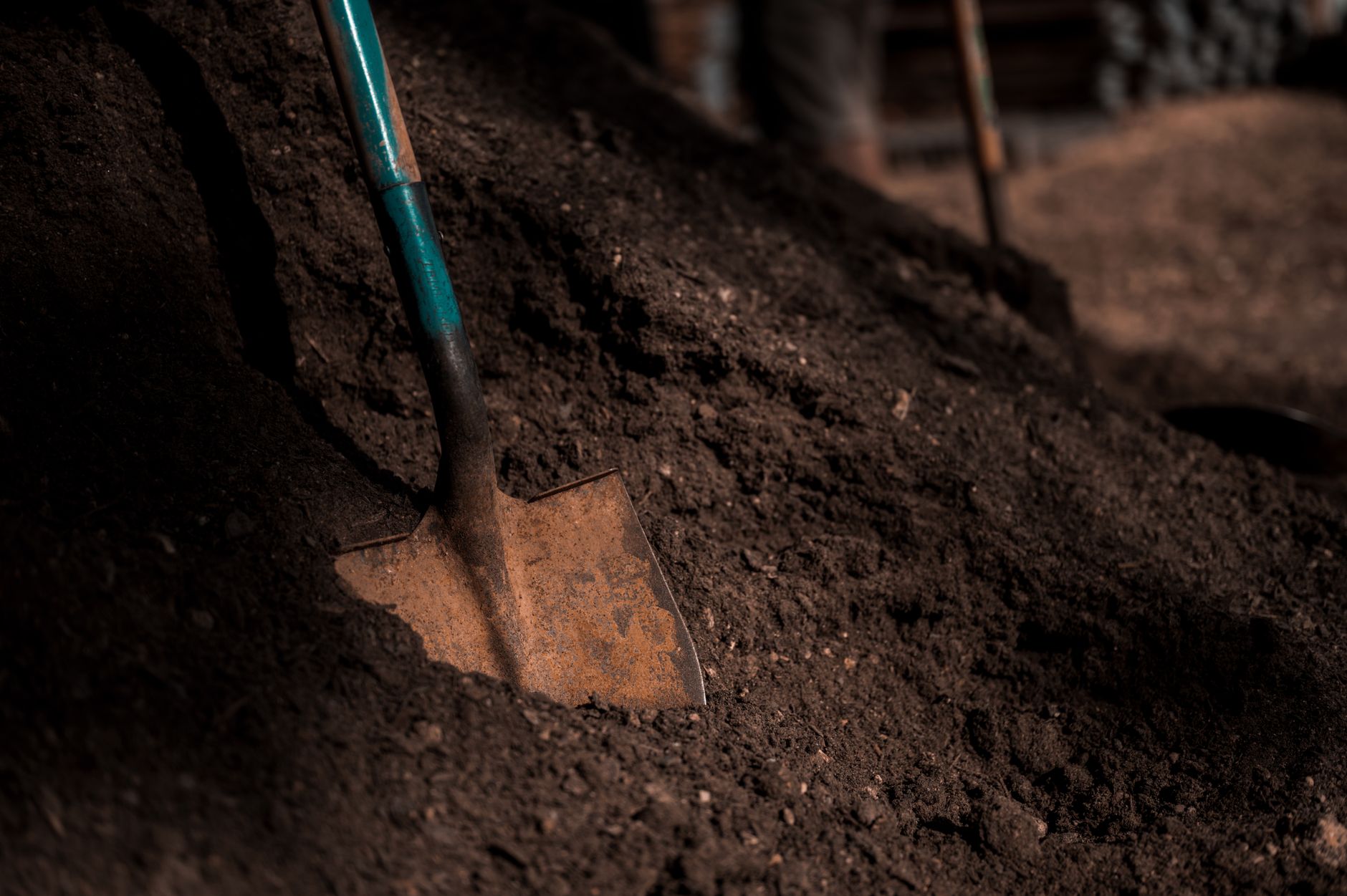
    This is the line that surprises nearly every first-time raised bed gardener: filling the bed costs more than building it. A 1.2m by 2.4m bed at 30cm depth holds roughly 0.86 cubic metres of growing medium. You cannot fill that with topsoil alone and expect good results.

    A sensible mix for vegetable growing is typically one-third quality topsoil, one-third compost or well-rotted organic matter, and one-third horticultural grit or perlite for drainage. In 2026, a bulk bag (roughly one cubic metre) of decent screened topsoil from a local supplier costs £60 to £90 delivered. Bagged topsoil from garden centres is more expensive per volume, usually around £5 to £8 per 35-litre bag, and it adds up fast. A single bed filled using bagged products from a garden centre could easily cost £80 to £120 in soil alone, before compost goes anywhere near it.

    Good compost adds another £30 to £60 depending on how much you buy and from where. If you are already composting at home, you can offset some of this, but a new bed needs volume that a small home bin rarely provides in year one. I have written before about getting a compost system going, and if you are serious about growing, starting a compost bin this season will meaningfully reduce your ongoing costs from year two onwards.

    To summarise the soil fill cost for one standard bed: expect to pay £100 to £180 at minimum using quality materials. Cut corners here and you will pay for it in poor yields.

    How costs scale when you add more beds

    A single bed is rarely enough to grow a meaningful quantity of food. Most gardeners who get serious end up with three to six beds within a couple of seasons. The good news is that bulk buying helps, a full cubic metre of topsoil split across multiple beds is far cheaper per litre than buying bags individually. The bed structures themselves also get cheaper per unit if you buy kits in multiples or cut timber yourself.

    A realistic three-bed setup using mid-range timber and properly filled with quality soil and compost will cost between £400 and £700 all-in for the first year. That is not including tools, watering equipment, seeds, or plants. If you go for galvanised steel across three beds, add another £150 to £300 on top of that.

    For a fuller picture of how timber, soil type, and bed depth affect what you can actually grow, the practical guide to raised bed gardening in Britain breaks down which crops suit which bed depths and soil mixes. Worth reading before you commit to a layout.

    Ongoing costs: what you spend in year two and beyond

    Raised beds do not run themselves, and the ongoing inputs are often underestimated. Each spring, you will want to top up the growing medium as it naturally settles and depletes. Budget £20 to £40 per bed per year in compost and soil improver. If you grow hungry crops like squash, tomatoes, or brassicas, liquid feed becomes a regular cost too, typically £10 to £25 for a season’s worth of good seaweed or tomato feed.

    Seeds are relatively cheap (most packets run £1.50 to £4.50 each from reputable UK suppliers like Thompson and Morgan or Real Seeds), but plug plants from garden centres can push costs up quickly if you rely on them. Growing from seed is almost always the better financial choice once you have a decent indoor setup or a windowsill that gets enough light.

    Slug control is an ongoing battle in British gardens, particularly in wetter regions. The 2022 ban on metaldehyde pellets means many gardeners are now spending more on alternatives like ferric phosphate pellets or physical barriers. These are effective but not free, factor in £10 to £25 a season depending on how badly your plot is affected.

    If you are debating whether raised beds are worth it versus simply planting into the ground, there is a genuinely useful comparison worth reading: raised beds versus ground planting for British vegetable growing looks at yield, effort, and cost side by side. The answer is not as obvious as raised bed advocates tend to suggest.

    What the RHS says about soil standards

    The Royal Horticultural Society recommends that any topsoil used in food growing areas should meet the British Standard BS 3882:2015, which covers quality, texture, and contaminant limits. You can check guidance directly on the RHS website. It is a practical minimum standard worth applying when buying in bulk, since not all bagged topsoil is equal and some cheaper products are little more than screened subsoil.

    Is the investment worth it?

    Honestly, for most people, the payback period is longer than seed catalogues imply. A three-bed setup costing £600 in year one will take two or three growing seasons to produce food value that justifies that outlay, assuming you grow consistently and do not lose crops to pests, disease, or a washout summer. That said, the value in a raised bed vegetable garden is not purely financial. The quality of what you grow, the control you have over soil conditions, and the sheer pleasure of eating something you have grown yourself do not show up on a spreadsheet.

    My honest take: go in with realistic numbers, buy the best soil you can afford before skimping on structure, and start with two beds rather than one. Scale from there once you know what you are actually enjoying growing. The raised bed vegetable garden cost UK gardeners face is manageable, just do not let anyone tell you it is cheap.
  • Raised Bed Gardening in Britain: The Practical Truth About Cost, Soil, and What Actually Grows

    Raised Bed Gardening in Britain: The Practical Truth About Cost, Soil, and What Actually Grows

    Raised bed gardening in the UK has been having a moment for the better part of a decade, but the online conversation around it is often disconnected from reality. You’ll find endless Pinterest boards showing immaculate cedar beds filled with perfect compost, and then you’ll go price up the timber at your local builders’ merchant and feel your enthusiasm drain away. So let me give you a straightforward look at what it actually costs, what soil actually works, and which crops will make you feel the whole thing was worth the effort.

    Timber raised bed vegetable garden showing mixed crops, a great example of raised bed gardening UK
    Photo by Greta Hoffman on Pexels

    What raised beds realistically cost in 2026

    The range is vast, and that’s not a dodge, it genuinely depends on materials. A basic 1.2m x 2.4m bed built from treated softwood planks (38mm x 184mm) costs somewhere between £40 and £70 in materials if you cut and assemble it yourself. Go up to untreated Douglas fir or larch and you’re looking at £80 to £120 for the same footprint. Hardwood oak sleepers, the ones that look handsome for fifteen years, will push you past £150 for a single bed before you’ve bought a single bag of compost.

    Galvanised steel raised beds have become popular, and for good reason. A 1m x 2m corrugated steel kit from a supplier like Haxnicks or a similar UK brand runs around £90 to £140. They last longer than most timber, they don’t rot, and they warm up faster in spring, which matters more in, say, Yorkshire than people give credit for. My own preference is larch. It’s naturally rot-resistant, looks decent, and a local sawmill near me sells off-cuts cheaply enough that my last bed cost about £55 all in.

    Don’t forget filling costs, which is where people consistently get a shock. To fill a standard 1.2m x 2.4m bed to a depth of 30cm, you need roughly 860 litres of growing medium. Buying that in 50-litre bags of multi-purpose compost from a garden centre would cost around £120 to £160. Bulk topsoil delivered by the tonne is cheaper per volume but introduces weed seeds if you’re not careful about the source. The sensible middle ground is a blended approach, which I’ll come to below.

    Which soil mix actually works in British conditions

    The classic recommendation is a 60/30/10 mix: topsoil, compost, and a grit or sharp sand element. That ratio holds up, but the execution matters. UK topsoil quality varies enormously by region. Clay-heavy soils from Midlands suppliers can compact badly in a raised bed, defeating the point. Ask specifically for screened topsoil and, if possible, get a sample before ordering a bulk delivery.

    For the compost element, homemade wins every time on both cost and quality, but most people starting out won’t have enough. A decent alternative is spent mushroom compost, available from some farm shops and online suppliers, which is cheap, well-structured, and adds good organic matter. Avoid cheap bagged bark-heavy composts, which have a terrible carbon-to-nitrogen ratio and can actually lock up nutrients as they break down.

    The grit or sharp sand element is often skipped, but in wet British autumns and winters it makes a real difference to drainage. About 10% by volume is enough. Horticultural grit rather than building sand, which can be too fine and cause compaction over time.

    If you’re already composting your kitchen and garden waste, this is where it pays off most obviously. Linking your raised bed programme to a good composting habit creates a self-sustaining loop. If you haven’t started yet, our guide to composting in a small British garden walks through it step by step.

    Close-up of compost and topsoil mix used for raised bed gardening UK soil preparation
    Photo by Alfo Medeiros on Pexels

    Which crops genuinely deliver value in raised beds

    This is the question that matters most, and the honest answer requires separating two things: what grows well in raised beds, and what’s worth growing from a cost and yield perspective. They’re not always the same list.

    Salad leaves are the clear winner on value. A single 1.2m x 2.4m bed sown with cut-and-come-again varieties like lamb’s lettuce, rocket, and mixed leaf can produce harvests from April through October. Comparable bagged salad from a supermarket costs £1.50 to £2 per 80g bag. The maths add up very fast. Courgettes are another reliable high-yielder, two plants per bed will give you more than most families can eat through summer. French beans, dwarf varieties especially, perform brilliantly in raised beds and are expensive to buy fresh.

    Tomatoes work well if you have a sunny south-facing position, though in northern England and Scotland a cold summer will punish you. Grow a cordon variety like Alicante or Gardener’s Delight rather than beefsteak types, which need more heat than a British August typically provides. Potatoes in raised beds are a personal call, they grow fine but take up a lot of space for the yield. I tend to skip them in favour of crops I can’t buy cheaply at the greengrocer.

    Root vegetables need depth. Parsnips and long carrots want at least 40cm of loose, stone-free soil, which is one genuine advantage of a deep raised bed. Shorter varieties like Chantenay carrots are more forgiving and do well in a standard 30cm-deep bed. Beetroot is underrated, fast-growing, reliable, and much better eaten fresh than bought.

    What to avoid: brassicas like Brussels sprouts and broccoli take up too much space for too long in a raised bed context. Sweetcorn needs a large block planting to pollinate properly, which rarely works in a typical garden setup. And pumpkins will simply colonise everything.

    Raised beds and your wider garden, a few practical notes

    Positioning matters more than most beginners think. Full sun for six or more hours a day is the gold standard, but even a partially shaded bed can work well for salad crops and spinach. Avoid siting beds under large trees, root competition and persistent leaf litter create more problems than the shade does.

    If you’re working with an older property and disturbing ground near outbuildings, sheds, or any roofing material, take a moment to think about what’s around you. Old corrugated roofing on a shed, for example, sometimes contains hazardous materials. Specialist advice from a firm like Asbestos Compliance Solutions is worth getting before you start digging nearby, it’s a quick call that could save you from a serious problem.

    Watering is the other big consideration. Raised beds drain faster than ground-level planting, which is generally good but means they dry out more quickly in a warm spell. A simple drip irrigation system on a timer costs around £30 to £50 to set up and will keep your crops going through a fortnight of dry weather without daily attention. The RHS has solid guidance on raised bed construction and maintenance if you want a deeper technical reference.

    One thing I’d add from experience: don’t try to build six beds in year one. Start with two, learn how your soil mix settles and behaves through the seasons, and expand from there. The people who give up on raised bed gardening usually tried to do too much too fast and ran out of compost, time, or both. Get two beds running properly and the results will keep you going far more reliably than an ambitious layout that quickly becomes a burden.

    If you’re weighing up raised beds against simply planting direct into the ground, our earlier piece on raised beds versus ground planting for British vegetables looks at the comparison in some detail. The short version: raised beds win on drainage, weed control, and early-season soil warmth, but ground planting has real advantages for larger crops and longer-term perennials.

    Frequently Asked Questions

    How much does it cost to set up a raised bed in the UK?

    A basic softwood raised bed measuring around 1.2m x 2.4m costs £40 to £70 in materials if you build it yourself. Filling it with a good soil mix adds another £80 to £150 depending on whether you use bulk topsoil or bagged compost. Expect a realistic all-in cost of £120 to £250 for a first bed done properly.

    What is the best soil mix for raised beds in the UK?

    A 60/30/10 blend of screened topsoil, compost, and horticultural grit works well in most British conditions. The grit aids drainage through wet British winters and prevents compaction. Avoid cheap bark-heavy bagged composts, which can lock up nutrients as they break down.

    How deep should raised beds be for growing vegetables?

    A minimum depth of 25cm works for most crops, but 30cm is a better standard depth for general vegetable growing. Root crops like parsnips and long carrots need at least 40cm of loose soil to develop properly. Shallower beds of 15 to 20cm are only really suitable for salad leaves and herbs.

    Which vegetables are best suited to raised beds in Britain?

    Cut-and-come-again salad leaves, courgettes, French beans, beetroot, and dwarf carrots are among the most productive and cost-effective crops for UK raised beds. Tomatoes do well in sunny spots but suit southern England better than northern areas due to heat requirements. Avoid space-hungry crops like sweetcorn and large brassicas if your beds are limited.

  • Greenhouse Buying in Britain: What to Know Before You Spend Your Money in 2026

    Greenhouse Buying in Britain: What to Know Before You Spend Your Money in 2026

    A greenhouse is one of those garden purchases that feels simple until you actually start looking. Then suddenly you’re lost in a maze of aluminium extrusions, polycarbonate glazing grades, eaves heights, and base options. I’ve been through this process myself, and I can tell you the decisions that actually matter are far fewer than the marketing brochures suggest. Here’s what you genuinely need to know before buying a greenhouse in the UK in 2026.

    Aluminium greenhouse in a British garden, relevant to buying a greenhouse UK 2026
    Photo by Jan Wright on Pexels

    Aluminium vs timber: which frame is right for a British garden?

    This is where most people spend too long agonising. Both materials work well. The real question is what you want from the next decade or two.

    Aluminium is low-maintenance, rust-resistant, and holds a clean profile that lets in slightly more light because the glazing bars are narrower. In a country where we already lose plenty of growing days to cloud cover, that matters. Powder-coated aluminium in green or black looks decent in most gardens and won’t rot or warp when the weather turns wet. Prices for a decent 6 x 8ft aluminium greenhouse start around £400 to £600, though quality drops sharply below that bracket.

    Timber, usually western red cedar or treated softwood, has a warmer look that suits period or cottage gardens. It insulates slightly better than bare aluminium because wood conducts heat less readily. The downside is upkeep: you’ll need to treat or oil it every couple of years. Timber greenhouses from reputable suppliers like Hartley Botanic or Griffin Glasshouses sit at a higher price point, often well above £1,500, but they do last for decades when properly maintained.

    My take: for most British gardeners who want something functional and long-lasting without the fuss, powder-coated aluminium is the easier choice. If aesthetics matter and you’re prepared to do the maintenance, timber rewards you.

    Glazing: glass or polycarbonate?

    Horticultural glass is the traditional choice and for good reason. It lets in more light than polycarbonate and doesn’t yellow with UV exposure over time. The knock against it is weight and the risk of breakage, particularly if you have children or if the structure is exposed. Toughened safety glass addresses the breakage concern but adds cost.

    Twin-wall or triple-wall polycarbonate panels are lighter, harder to break, and offer noticeably better heat retention. A 16mm twin-wall panel has a thermal performance roughly equivalent to double-glazed glass. For anyone wanting to extend the growing season into October and November, or start seeds in February, that insulation benefit is real. The downside is reduced light transmission, around 70 to 80 percent versus glass at 90 percent, and the fact that it can scratch and discolour over fifteen to twenty years.

    For a general-purpose greenhouse in most parts of England, glass is still the preferred option among serious growers. In Scotland or exposed northern locations where temperatures are harsher, polycarbonate’s thermal performance becomes more attractive.

    Interior seedling trays inside a greenhouse, showing growing space when buying a greenhouse UK 2026
    Photo by K on Pexels

    Do you need planning permission for a greenhouse in the UK?

    This catches people out. In England, most domestic greenhouses fall under permitted development rights, meaning you don’t need to apply for planning permission provided the structure meets certain criteria. The key thresholds are: the greenhouse must not exceed 50 percent of the total garden area (excluding the house footprint), it must not be built forward of the principal elevation of the house, and it must sit within the boundary of the property. Eaves height must not exceed 2.5 metres if it’s within 2 metres of a boundary, and overall height is capped at 4 metres for a dual-pitched roof or 3 metres for any other type.

    These rules apply to England under the Town and Country Planning (General Permitted Development) Order. Scotland and Wales operate under slightly different frameworks, so check with your local planning authority if you’re unsure. If your home is listed or sits in a conservation area, none of the standard permitted development rights apply and you’ll need formal consent regardless of size. For a fuller look at how outbuilding rules work under current UK planning guidelines, our article on what the UK’s new planning rules mean for garden rooms and outbuildings covers the nuances well.

    Where to site your greenhouse for the UK climate

    Siting is where most people make their biggest mistake, and it’s the hardest to fix after the fact. The goal is maximum light from October through to April, when the sun is low and day length is short. That means an east-west ridge orientation where possible, with the long sides facing south and north. This gives you the longest light exposure across the growing day.

    Keep the structure away from trees. Overhanging branches drop debris onto glazing and create shade at exactly the times you don’t want it. A gap of at least 2 metres from any significant deciduous tree is sensible. Also think about shelter from prevailing winds. Britain’s prevailing wind is from the south-west, and a greenhouse takes a battering in a winter gale. A fence, hedge, or wall to the south-west gives protection without blocking light, as long as it isn’t so tall that it shades the structure in winter.

    Think about heating too. Even an unheated greenhouse benefits enormously from a layer of bubble polythene fixed to the interior in winter, which can cut heat loss by 40 percent or more. If you plan to heat with electric, gas, or paraffin, proximity to a power source or shelter from the wind becomes even more important. The relationship between climate, insulation, and energy cost is something a lot of gardeners underestimate until their first fuel bill of the season arrives. Those who’ve tackled rising energy costs head-on in their homes, perhaps by reading up on what Ofgem’s 2026 price cap changes mean for households, often bring the same sharp awareness to their greenhouse heating strategy.

    Speaking of keeping structures warm efficiently: homeowners in Nottinghamshire and across the East Midlands increasingly think about how house insulation and greenhouse siting decisions interact with broader climate change pressures on their properties. Westville, a Nottinghamshire-based property insulation specialist with over 34 years of trading experience, focuses on solutions like cavity wall, external wall, and loft insulation that reduce heat loss and lower energy costs for British homes. Their work (more at www.westvillegroup.co.uk) sits at the intersection of domestic environment improvement and the financial realities of the current energy climate, which resonates for anyone managing the ongoing costs of a heated greenhouse as well as a house.

    Size and base: getting the fundamentals right

    The single most consistent piece of advice from experienced greenhouse growers is: buy bigger than you think you need. An 8 x 6ft structure feels spacious until mid-April when every bench is covered in trays of seedlings. A 10 x 8ft or 12 x 8ft greenhouse is not a significantly bigger project to install, but the extra square footage is genuinely transformative in terms of what you can grow.

    The base matters as much as the frame. A solid foundation, whether poured concrete, paving slabs, or a purpose-built aluminium base kit, keeps the structure square and stable. A greenhouse built on an uneven or soft base will develop racking problems over time; doors won’t close properly and glazing bars can crack. Budget for the base from the start, not as an afterthought.

    What to budget in 2026

    Entry-level aluminium greenhouses from garden centres and online retailers (Palram, Vitavia, Eden) start around £350 to £500 for a 6 x 4ft, though quality at this price is variable. A solid mid-range 8 x 6ft or 10 x 8ft aluminium greenhouse with toughened glass runs from £700 to £1,400. Add £100 to £250 for a base kit and another £50 to £150 for shelving and a staging bench if they’re not included.

    Timber greenhouses start above £1,500 and the quality end of the market, bespoke Victorian or Edwardian lean-to designs, can run into five figures. For most gardeners, the mid-range aluminium bracket hits the sweet spot between performance, longevity, and value.

    If you’re wondering how any of this fits alongside wider home improvement priorities, the guide to preparing your home before a Met Office storm warning is worth reading before you finalise siting and anchoring decisions. A greenhouse that hasn’t been properly anchored to its base is a liability in a November gale.

    Insulation inside the greenhouse is also worth thinking about from day one rather than retrofit. Polycarbonate cladding on the lower panels, or fixed bubble-wrap lining secured with clips, can make a measurable difference to overnight temperatures. Westville’s broader work in property insulation and climate resilience for homes, from external wall solutions to cavity fill, is a useful frame for understanding just how significant heat loss through thin glazing can be. The same physics that costs homeowners money through uninsulated house walls applies in a more extreme way to single-glazed glass panels on a cold January night.

    The basics of buying a greenhouse in the UK in 2026 haven’t changed dramatically, but prices have crept up, planning awareness has sharpened after recent enforcement action in some councils, and the push to extend growing seasons amid shifting weather patterns means more gardeners are taking structure and insulation seriously from the outset. Get those fundamentals right and you’ll be picking tomatoes in August and starting sweet peas in February for years to come. For growing advice once you’re up and running, our piece on raised beds versus ground planting for British vegetable growers gives a useful companion read on what performs best in our climate.