Every summer, in towns and villages across Britain, somebody puts up bunting. A committee of six or seven people, most of them in their sixties, books the brass band, argues about the raffle prizes, and hopes to God it doesn’t rain. British community carnivals have run on exactly this kind of stubborn, unglamorous goodwill for generations. But that goodwill is running out. The volunteers are ageing, the councils are cutting, and younger people aren’t stepping in. The result is that dozens of these events are quietly folding each year, with barely a mention in the local paper.
The scale of the problem
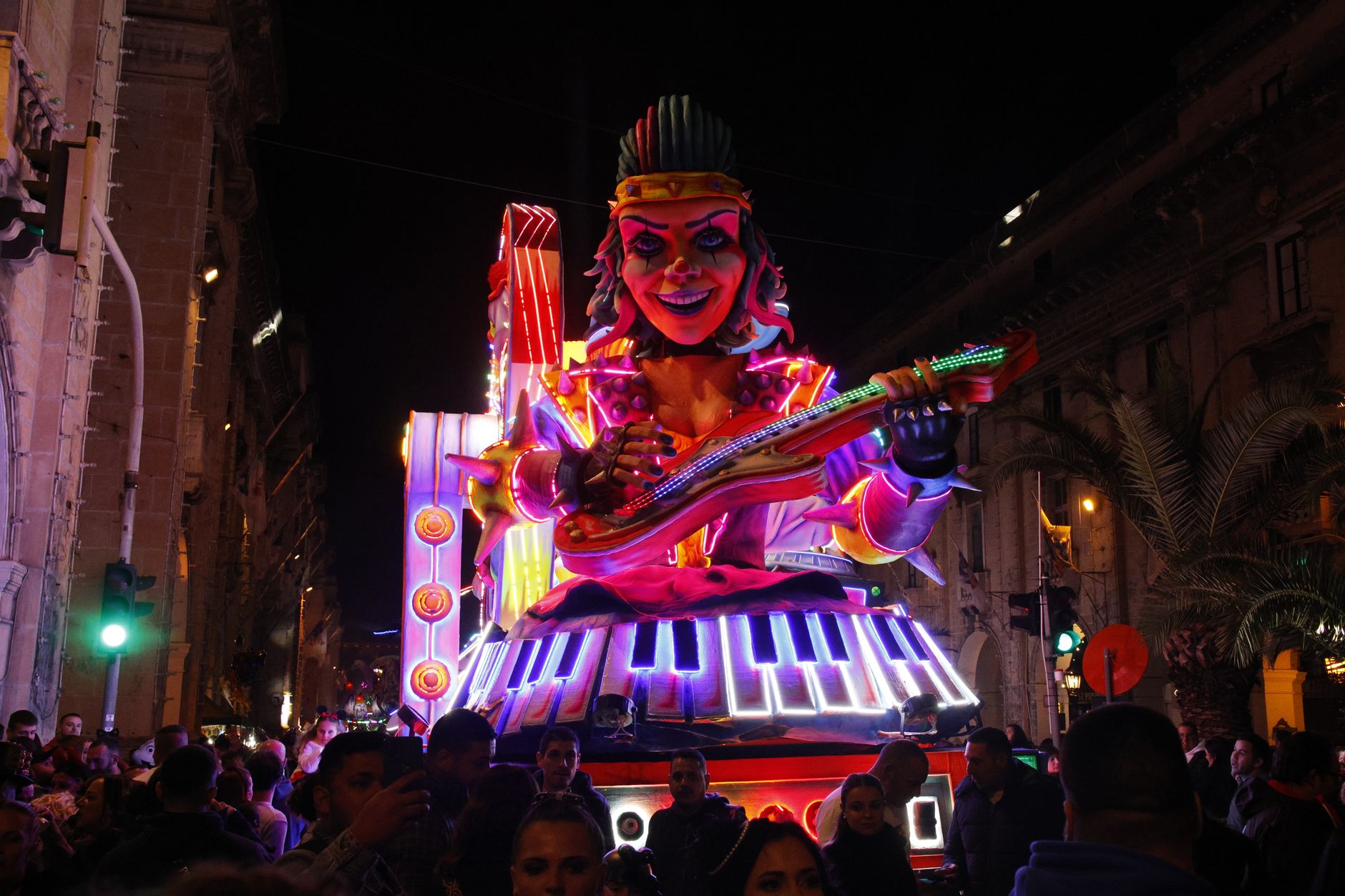
There’s no single national body that tracks how many community carnivals Britain loses each year, which is itself part of the problem. The Carnival Arts Network estimates there are around 5,000 community-run fairs, galas, and carnivals held across England, Scotland, and Wales annually, but that figure has been drifting downward for at least a decade. Local news sites occasionally note when a long-running event folds, the Melton Mowbray Carnival ran for 94 years before it stopped in 2023, the Ormskirk Carnival committee disbanded in 2024, but most disappear without any coverage at all. They just don’t happen one summer, and then the next, and eventually people stop expecting them.
The funding picture is bleak. According to the Local Government Association, English councils have cut arts and culture spending by over 40% in real terms since 2010. Summer events and community festivals are rarely ring-fenced and often first to go when budgets tighten. A carnival that once received a £3,000 grant from its district council now gets nothing, meaning the organising committee has to find that money through sponsorship or ticket sales, tasks that require skills and time most ageing volunteer committees simply don’t have.
Who actually runs these things?
I spoke to a woman in her early seventies who has chaired a town carnival committee in the East Midlands for eighteen years. She asked not to be named because she didn’t want to embarrass her council, but her account was striking. Her committee has nine members. The youngest is fifty-four. They’ve tried recruiting younger people through Facebook posts, through the local school, even through the parish newsletter. One person in their thirties came to two meetings and didn’t come back. “They’ve got kids, they’ve got jobs, they’ve got a lot on,” she said. “I understand it. But somebody has to do this.”
The time commitment is real. Running a decent-sized community carnival, float procession, fair rides, stage acts, food stalls, requires roughly 400 hours of committee work spread across the year. Insurance alone can run to £2,500. There’s the health and safety plan, the road closure application, the negotiations with the fairground operator, the sponsorship letters, the social media. That last one is increasingly a problem: the platforms have changed, the algorithms have changed, and a committee that built its audience on Facebook over a decade is now finding that Facebook shows their posts to almost nobody.
What these events actually do for a community
It’s easy to romanticise carnivals and summer fairs as a kind of warm, sepia-tinted Britishness. But the case for them isn’t nostalgic, it’s practical. Research from Nesta and various community wellbeing studies consistently shows that shared public events, particularly free or low-cost ones, are among the most effective tools for reducing social isolation. When a carnival draws 3,000 people onto a town’s park on a Saturday afternoon, it creates connections that wouldn’t otherwise happen. The elderly man who watches the parade from his garden gate. The family new to the area who talks to someone for the first time. The teenager who helps on a stall and realises they like doing things.
Strip those events away and what fills the gap? Not much, is my honest answer. The high street is already struggling, as with sport, the economics of community participation keep narrowing, and commercial leisure is expensive. A summer fair with free entry is one of the last genuinely accessible public events many communities have. When it goes, nothing replaces it.
The digital turn: helping some, not most
There’s a counternarrative worth acknowledging. Some carnivals and fairs have found a second life online. Short videos of carnival processions, particularly those with elaborate floats or steel bands, perform surprisingly well on social media. A handful of committee chairs have discovered that posting behind-the-scenes content, the chaos of setting up, the rain damage on the floats, the last-minute scramble for volunteers, generates genuine engagement. If you’re curious about that phenomenon, there’s a longer read on the village fête organisers who accidentally went viral: how britain’s most quintessentially local events are finding a national audience, which captures the peculiar warmth people feel toward these events even when they’ve never attended one.
But I’d be careful not to overstate this. Going viral on TikTok doesn’t pay for public liability insurance. A few thousand views doesn’t fill a volunteer rota. The digital success stories are real but rare. For every carnival committee that figures out how to reach new audiences online, there are twenty that fold because nobody under sixty has the bandwidth to show up to a planning meeting on a Tuesday evening in February.
What could actually help
The fixes being discussed in the voluntary and community sector aren’t dramatic. The most commonly cited are: longer-term small grants (rather than one-year funding that forces committees to apply every twelve months), council support with bureaucracy like road closure applications and insurance procurement, and structured volunteer recruitment through schools and universities as part of community engagement programmes.
Some areas are trying community interest companies as an alternative to the traditional unincorporated committee model, which can make it easier to take on paid part-time coordinators. A few larger carnivals have brought in professional event management help for one or two key tasks, freeing the volunteer core to focus on what they know. None of these solutions are glamorous. They’re just sensible.
The funding squeeze on grassroots community activity isn’t unique to athletics or sport, it runs through every corner of British community life, and carnivals are one of its less-noticed casualties. If you’ve ever stood on a pavement watching a carnival float go past and felt something warm about where you live, it’s worth knowing that feeling depends on a small group of exhausted volunteers and a grant application that might not come through next year. That’s not a reason for despair. It is, though, a reason to pay attention.