

Sign-up windows that close within hours. Waiting lists stretching into the hundreds. Cyclists you’ve never seen near a bike lane suddenly disappearing for entire weekends with a Garmin on their wrist. Something is happening on Britain’s roads, and it’s picked up serious pace. Cycling sportive events UK 2026 is not a niche search term anymore. It’s a full-blown cultural phenomenon, and the numbers back it up.
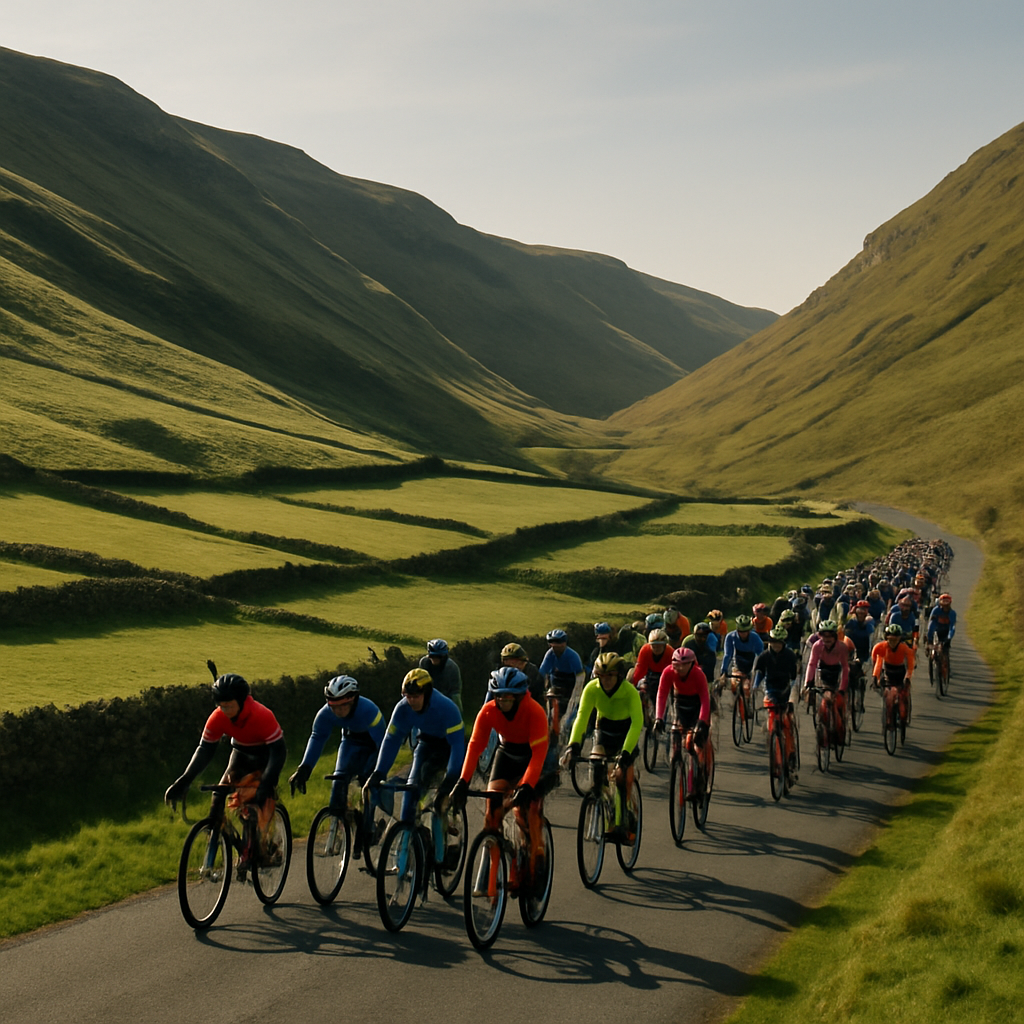
British Cycling reported that participation in organised amateur cycling events grew by roughly 34% between 2023 and 2025, with 2026 shaping up to be the busiest season yet. Sportives, for the uninitiated, sit somewhere between a fun ride and a race. There’s no peloton competition, no prize money, just a timed, supported route through the countryside, usually ranging from 50 to 160 kilometres. You ride against yourself, or at least that’s what people tell themselves when they’re quietly eyeing the bloke in front at mile 40.
What’s Actually Driving the Surge in Sportive Participation?
A few things have converged at once. Post-pandemic fitness habits stuck. A generation of people who bought road bikes in 2020 have now actually got reasonably good at using them. E-bikes have lowered the barrier for older riders or those returning from injury. And there’s something else: the social side.
Sportives are genuinely sociable in a way that parkrun or gym sessions aren’t. You travel with a group, you suffer together on a climb, you eat a banana and a flapjack at a feed station in a village hall and feel entirely brilliant about it. For a lot of people, that combination of physical challenge and community is exactly what they were looking for without quite knowing it.
The mental health angle matters too. Cycling charities such as Cycling UK have documented the wellbeing benefits of regular cycling, and sportives offer a structured goal that keeps people training consistently. Having a date circled in the calendar changes everything about your motivation through a grey February.
Which Regions Are Seeing the Biggest Uptake?
Yorkshire continues to punch well above its weight. The legacy of the 2014 Tour de France Grand Départ left an infrastructure of cycling enthusiasm that simply hasn’t faded. The Etape du Dales, the Fred Whitton Challenge in the Lake District, and the Dragon Ride in Wales consistently sell out within a day or two of opening registration. These are the prestige events, the ones that get shared on Strava and talked about in offices for weeks beforehand.
But the growth isn’t just in the traditional cycling heartlands. The South Downs have seen a wave of new sportive routes established since 2024, and organisers in Norfolk and Suffolk report record sign-up numbers for flatlands events that appeal to newer riders who aren’t ready to tackle the Pennines. Scotland has seen a particular boom: events like the Etape Caledonia near Pitlochry, which runs through genuinely spectacular highland scenery, attracted over 4,000 riders in 2025 alone.
London-based cyclists are increasingly travelling out for weekend events rather than sticking to closed-road rides in the capital. The M-Way on a Saturday morning, boot stuffed with a bike box and a bag of gels, has become a familiar British tableau.
What Does It Actually Cost to Get Started?
This is where people often get a shock. The bike is the obvious headline cost, and a decent entry-level road bike from brands like Boardman or Ribble starts at around £600 to £900 new. Realistically, for something that will handle a 100km sportive comfortably, you’re looking at £1,000 to £1,500. Second-hand is entirely viable and worth considering.
Beyond the bike, entry fees for most UK sportives sit between £30 and £60 depending on the event’s size and prestige. The Dragon Ride and Fred Whitton tend to be towards the top end. You’ll also need a helmet (non-negotiable), cycling shorts with a decent chamois, cleated shoes if you’re going with clipless pedals, a jersey, and some kind of cycling computer or at minimum a phone mount.
Realistically, your first season starter kit, bike included, could run to £1,800 to £2,500 if you’re buying everything new. But many riders start with far less, borrowing kit, buying second-hand on eBay, and gradually upgrading as the obsession deepens. And it does deepen. That’s almost guaranteed.
How to Find and Enter Cycling Sportive Events in the UK
The main aggregator sites are Sportive.com and British Cycling’s own event finder. For 2026, the advice is consistent from every experienced sportive rider: register early. Flagship events for summer 2026 were already showing full fields or waiting lists by February this year. If there’s a specific event on your list, set a diary reminder for the moment registration opens, typically six to nine months ahead for the popular ones.
Smaller, local club-run sportives are an excellent alternative and often a better first experience. You’ll find them advertised through local cycling clubs, often affiliated with British Cycling, and they tend to have a friendly, unhurried atmosphere that suits newcomers. Some charge as little as £10 to £15, with all proceeds going to local charities.
Training-wise, most first-timers underestimate the preparation required for anything over 80km. A consistent block of ten to twelve weeks of riding, gradually building weekly mileage, makes the difference between suffering and enjoying. Plenty of free plans exist online, and many cycling clubs offer guided group rides specifically aimed at sportive preparation.
Is This Boom Built to Last?
There’s a reasonable argument that what we’re watching is more than a post-pandemic blip. The infrastructure around sportives, from event organisers to kit brands to training coaches, has professionalised considerably. Events are better marshalled, better catered, and better marketed than they were five years ago. That makes the experience better, which brings more people in, which funds better events. It’s a cycle (forgive the word) that tends to sustain itself.
The age range is broadening too. British Cycling data shows a significant increase in riders over 50 entering sportives, partly driven by e-bike accessibility but also by a cultural shift in what people in their fifties and sixties consider an appropriate Saturday challenge. The old retirement model of a gentle walk and a bit of golf is competing with something rather more demanding, and for many, the demanding option is winning.
If you’ve been half-thinking about entering a sportive and keep putting it off, the main risk right now isn’t the hills. It’s that by the time you decide you’re ready, the event you wanted will already be full.
Frequently Asked Questions
What is a cycling sportive and how is it different from a race?
A sportive is a mass-participation timed ride, not a competitive race. Riders complete a set route at their own pace, often with feed stations and mechanical support provided. There’s no podium or prize money, just a personal time and the satisfaction of finishing.
How much does it cost to enter a cycling sportive in the UK?
Entry fees for UK sportives typically range from £10 to £15 for small club-run events up to £50 to £60 for major events like the Fred Whitton or Dragon Ride. Costs on top of the entry fee include travel, accommodation if it’s away from home, and any additional kit or nutrition you need.
Which are the best cycling sportive events in the UK for beginners?
Beginners often do well starting with local club-run sportives that offer shorter distances, typically 40 to 60km, and a relaxed atmosphere. As confidence grows, events in flatter regions like Norfolk or the Somerset Levels are a good step up before tackling hillier routes in Yorkshire or Wales.
Do I need a road bike to do a UK sportive?
A road bike makes longer distances considerably more comfortable, but many sportives accept hybrid bikes, gravel bikes, and e-bikes. Check individual event rules before entering, as some closed-road events have specific bicycle eligibility requirements.
How do I find cycling sportive events UK 2026 near me?
The British Cycling event finder and Sportive.com are the two most comprehensive listings for UK events. Local cycling clubs affiliated with British Cycling are also an excellent source of information about smaller, community-run rides in your area.

Leave a Reply