Every spring, the same fantasy takes hold. You picture neat rows of courgettes, a corner full of salad leaves, the satisfying thud of a homegrown beetroot hitting a chopping board. Raised beds seem like the obvious starting point, tidy, manageable, no wrestling with compacted clay. But before you reach for a spade or start browsing timber online, it is worth knowing what this actually costs. Because the raised bed vegetable garden cost UK gardeners face in 2026 is higher than most Instagram posts suggest, and the soil is almost always the bit that catches people off guard.
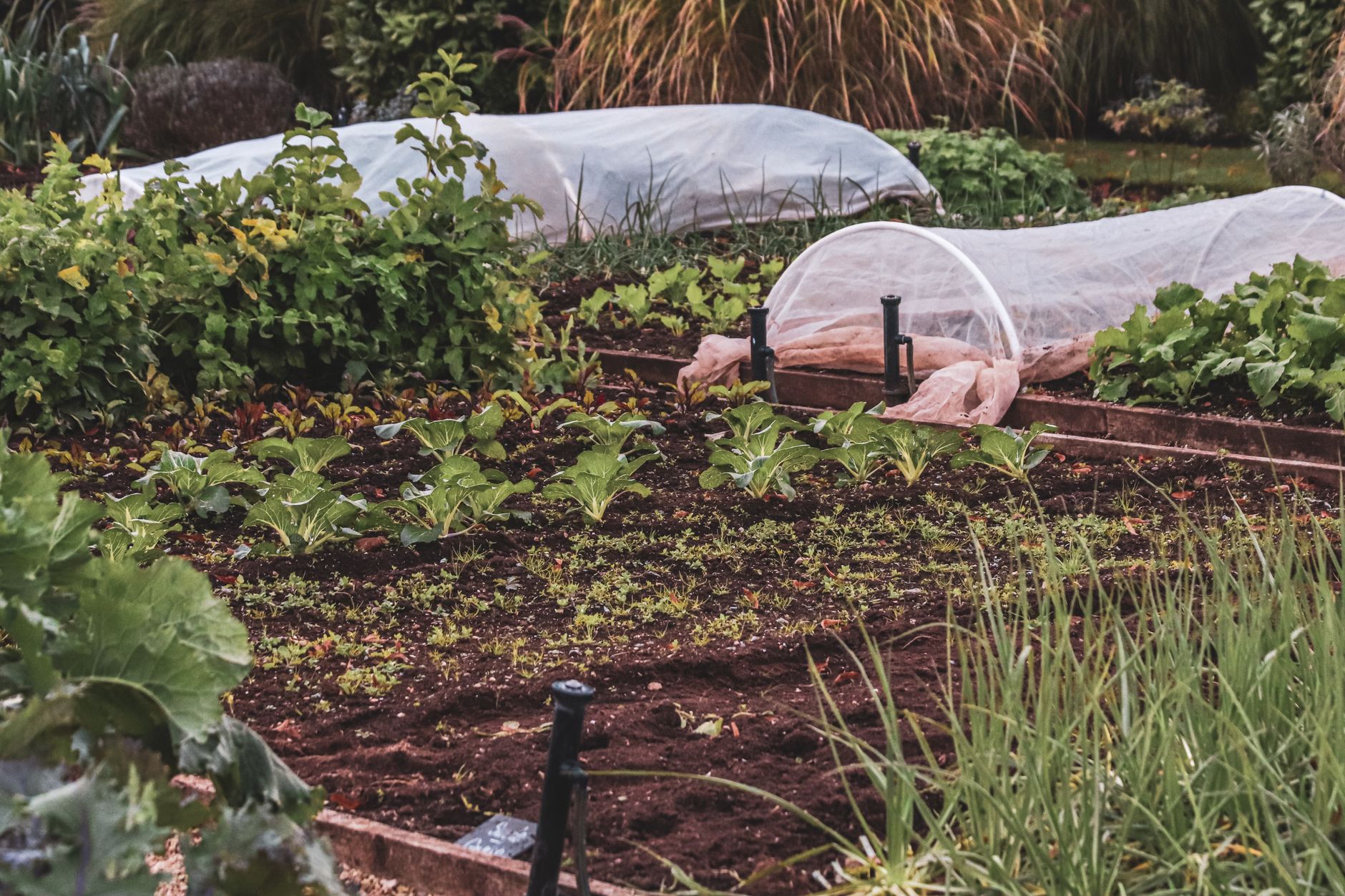
What a basic raised bed setup actually costs
Let us start with the bed itself. A standard single raised bed measuring roughly 1.2 metres by 2.4 metres, which is the size most beginners go for, will run you anywhere from £35 to £300, depending almost entirely on what it is made from. That is a wide range, so the material choice genuinely matters.
Pressure-treated softwood (usually pine or larch) is the most popular option and typically comes in kit form from garden centres or online retailers like Harrod Horticultural. A decent 30cm-deep timber kit in this size costs around £60 to £90. Untreated timber is cheaper upfront but will rot within three to five years in a British climate, so the long-term value is poor. If you want to go further and use proper hardwood such as oak, expect to pay £150 to £200 for the same footprint, but a well-made oak bed can last 20 years without treatment.
Galvanised steel raised beds have become considerably more popular since 2023. They look sharp, they are essentially permanent, and they resist the kind of slugs-and-rot drama that plagues wooden frames in wet northern gardens. Prices start at about £90 for a shallow steel bed and climb quickly to £250 or more for the deeper, more substantial versions from brands like Haxnicks or Veg Trug. If you are planning a long-term growing setup, the maths can favour metal over a decade. Aesthetics are subjective, I find them a bit clinical, personally, but they are genuinely practical.
Recycled or repurposed options cost much less. Old scaffolding boards can be sourced from salvage yards for £10 to £20 each. A full bed from reclaimed timber might cost £20 to £40 in materials if you are handy with a drill. The environmental argument is reasonable, though you need to avoid boards that were treated with creosote or certain chemical preservatives, as these can leach into growing soil.
The soil is where most people get a nasty shock
This is the line that surprises nearly every first-time raised bed gardener: filling the bed costs more than building it. A 1.2m by 2.4m bed at 30cm depth holds roughly 0.86 cubic metres of growing medium. You cannot fill that with topsoil alone and expect good results.
A sensible mix for vegetable growing is typically one-third quality topsoil, one-third compost or well-rotted organic matter, and one-third horticultural grit or perlite for drainage. In 2026, a bulk bag (roughly one cubic metre) of decent screened topsoil from a local supplier costs £60 to £90 delivered. Bagged topsoil from garden centres is more expensive per volume, usually around £5 to £8 per 35-litre bag, and it adds up fast. A single bed filled using bagged products from a garden centre could easily cost £80 to £120 in soil alone, before compost goes anywhere near it.
Good compost adds another £30 to £60 depending on how much you buy and from where. If you are already composting at home, you can offset some of this, but a new bed needs volume that a small home bin rarely provides in year one. I have written before about getting a compost system going, and if you are serious about growing, starting a compost bin this season will meaningfully reduce your ongoing costs from year two onwards.
To summarise the soil fill cost for one standard bed: expect to pay £100 to £180 at minimum using quality materials. Cut corners here and you will pay for it in poor yields.
How costs scale when you add more beds
A single bed is rarely enough to grow a meaningful quantity of food. Most gardeners who get serious end up with three to six beds within a couple of seasons. The good news is that bulk buying helps, a full cubic metre of topsoil split across multiple beds is far cheaper per litre than buying bags individually. The bed structures themselves also get cheaper per unit if you buy kits in multiples or cut timber yourself.
A realistic three-bed setup using mid-range timber and properly filled with quality soil and compost will cost between £400 and £700 all-in for the first year. That is not including tools, watering equipment, seeds, or plants. If you go for galvanised steel across three beds, add another £150 to £300 on top of that.
For a fuller picture of how timber, soil type, and bed depth affect what you can actually grow, the practical guide to raised bed gardening in Britain breaks down which crops suit which bed depths and soil mixes. Worth reading before you commit to a layout.
Ongoing costs: what you spend in year two and beyond
Raised beds do not run themselves, and the ongoing inputs are often underestimated. Each spring, you will want to top up the growing medium as it naturally settles and depletes. Budget £20 to £40 per bed per year in compost and soil improver. If you grow hungry crops like squash, tomatoes, or brassicas, liquid feed becomes a regular cost too, typically £10 to £25 for a season’s worth of good seaweed or tomato feed.
Seeds are relatively cheap (most packets run £1.50 to £4.50 each from reputable UK suppliers like Thompson and Morgan or Real Seeds), but plug plants from garden centres can push costs up quickly if you rely on them. Growing from seed is almost always the better financial choice once you have a decent indoor setup or a windowsill that gets enough light.
Slug control is an ongoing battle in British gardens, particularly in wetter regions. The 2022 ban on metaldehyde pellets means many gardeners are now spending more on alternatives like ferric phosphate pellets or physical barriers. These are effective but not free, factor in £10 to £25 a season depending on how badly your plot is affected.
If you are debating whether raised beds are worth it versus simply planting into the ground, there is a genuinely useful comparison worth reading: raised beds versus ground planting for British vegetable growing looks at yield, effort, and cost side by side. The answer is not as obvious as raised bed advocates tend to suggest.
What the RHS says about soil standards
The Royal Horticultural Society recommends that any topsoil used in food growing areas should meet the British Standard BS 3882:2015, which covers quality, texture, and contaminant limits. You can check guidance directly on the RHS website. It is a practical minimum standard worth applying when buying in bulk, since not all bagged topsoil is equal and some cheaper products are little more than screened subsoil.
Is the investment worth it?
Honestly, for most people, the payback period is longer than seed catalogues imply. A three-bed setup costing £600 in year one will take two or three growing seasons to produce food value that justifies that outlay, assuming you grow consistently and do not lose crops to pests, disease, or a washout summer. That said, the value in a raised bed vegetable garden is not purely financial. The quality of what you grow, the control you have over soil conditions, and the sheer pleasure of eating something you have grown yourself do not show up on a spreadsheet.
My honest take: go in with realistic numbers, buy the best soil you can afford before skimping on structure, and start with two beds rather than one. Scale from there once you know what you are actually enjoying growing. The raised bed vegetable garden cost UK gardeners face is manageable, just do not let anyone tell you it is cheap.