

Guitars have never been more popular in the UK. Whether it’s the nostalgia of watching old Oasis footage, the explosion of bedroom musicians on social media, or simply the appeal of learning something tactile in an increasingly digital world, more people than ever are picking up a six-string for the first time. According to data from the Music Industries Association, guitar sales in the UK climbed steadily post-pandemic and remain well above pre-2020 levels. It’s a proper boom, and beginners are leading it.
But starting out can feel overwhelming. Acoustic or electric? Nylon or steel strings? Lessons or YouTube? This guide cuts through the noise and gives you honest, practical advice for getting started.
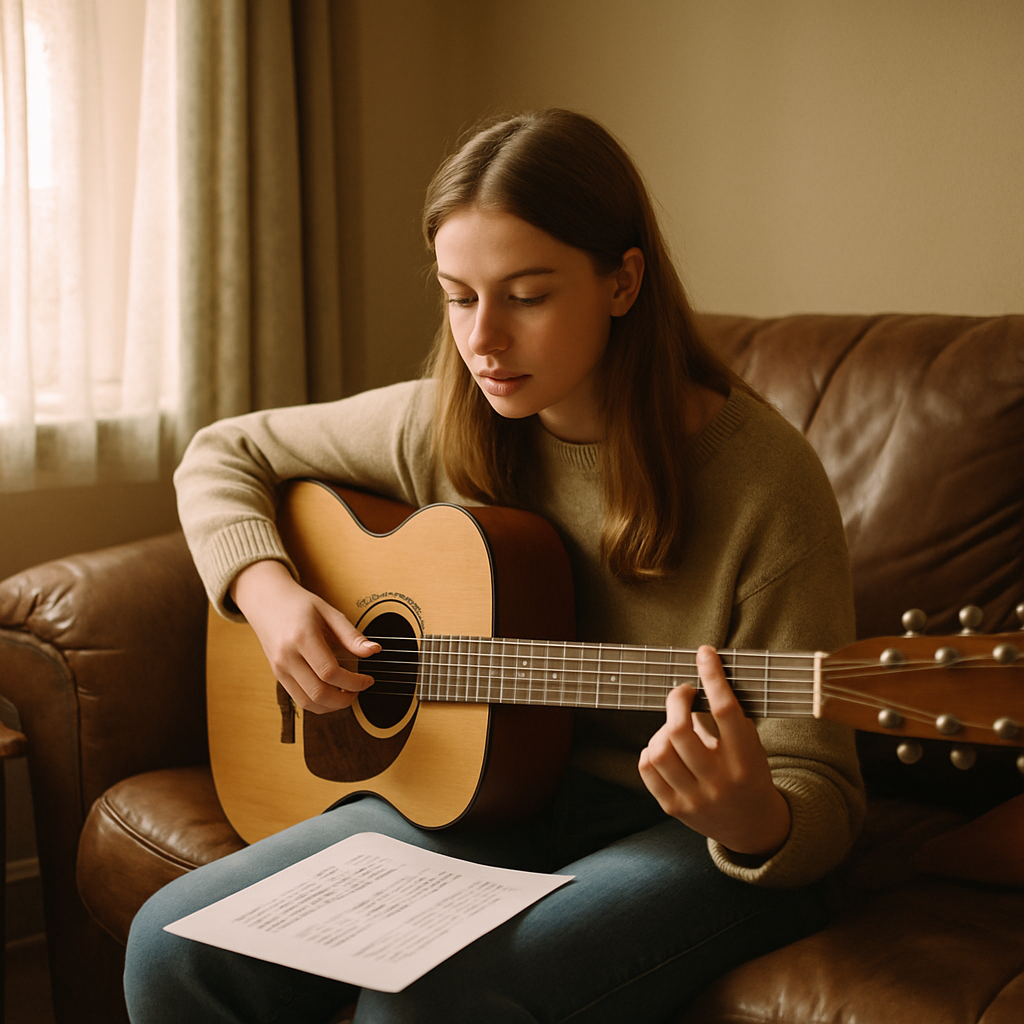
Choosing the Right Guitar for a Beginner
The single biggest mistake beginners make is buying the wrong guitar for the music they actually want to play. There’s no universal answer, but there are clear guidelines.
If you’re drawn to folk, singer-songwriter material, or acoustic pop, start with a steel-string acoustic. Brands like Yamaha, Fender, and Tanglewood offer solid beginner guitars in the £100 to £200 range that are genuinely playable. The Yamaha F310 is a perennial favourite in UK music shops and for good reason. It sounds decent, stays in tune, and won’t punish your budget if you decide guitar isn’t for you after six weeks.
If rock, blues, or heavier music is your thing, an electric guitar makes far more sense. Steel-string acoustics have higher action (the distance between strings and fretboard) than most electrics, which makes them harder on your fingers initially. An entry-level electric like the Squier Stratocaster paired with a small practice amp will get you playing faster and with less pain. Budget around £200 to £300 for a decent starter pack.
Classical guitars with nylon strings are softer on the fingers but have wider necks, which some people find awkward. They’re worth considering if you specifically want to learn classical technique or flamenco.
What to Expect in the First Few Weeks
Your fingertips will hurt. That’s not a scare tactic, just reality. Steel strings press against soft skin repeatedly, and until calluses develop (usually after three to four weeks of regular practice), it’s uncomfortable. Push through it. The calluses come, the discomfort goes, and suddenly playing for an hour feels effortless.
Your first goals should be simple: learn to tune your guitar, get comfortable holding it, and master a handful of open chords. G, C, D, Em, and Am will unlock hundreds of songs. Seriously, with just those five chords you can play a substantial portion of the British rock and pop back catalogue.
Transitions between chords will feel impossibly slow at first. There’s a temptation to wait until the chord is perfect before strumming. Don’t. Keep the rhythm going even if the chord sounds muddy. Muscle memory builds faster when you maintain timing than when you stop and start.

Lessons Versus Self-Teaching: Which Route Works?
Both work. The honest answer is that it depends on your learning style and your budget.
In-person lessons with a qualified teacher remain the fastest route to good technique. A teacher spots bad habits early, things like improper wrist angle or thumb placement, that can cause problems or even injury down the line. Expect to pay between £25 and £45 per hour for a private guitar lesson in most UK towns and cities. Some local councils and music hubs offer subsidised lessons, particularly for younger learners, so it’s worth checking what’s available through your local authority.
Self-teaching via platforms like JustinGuitar (arguably the best free guitar learning resource on the internet, created by British-Australian guitarist Justin Sandercoe) is perfectly viable for motivated beginners. The structured lessons are free, comprehensive, and well-sequenced. Pair that with a tuner app and a chord chart, and you have everything you need to make real progress.
A hybrid approach works well for many people: a lesson every fortnight to check technique and set goals, with self-directed practice in between. Guitars reward consistent daily practice far more than sporadic marathon sessions. Twenty minutes a day beats two hours once a week, every time.
Essential Accessories You Actually Need
Shops and online retailers will try to sell you all manner of guitar accessories. Most of it is optional. Here’s what genuinely matters for a beginner:
- A tuner. Either a clip-on tuner (around £8 to £15) or a free app like GuitarTuna. Playing an out-of-tune guitar trains your ear incorrectly. Always tune before you play.
- A capo. Around £10 to £20. Allows you to play in different keys using familiar chord shapes. Useful surprisingly quickly.
- A spare set of strings. Strings break, often at the worst moment. Have a spare set handy. Ernie Ball or D’Addario are reliable choices available in most UK music shops.
- A gig bag or case. Protects your instrument. Often included in starter packs.
- A guitar stand. Cheap (around £10) and genuinely useful. Guitars that are accessible get played more often than ones stored in a case under the bed.
You can skip the guitar polish, the string winder, the dozen different picks. Keep it simple to start with.
Keeping Motivated When Progress Feels Slow
Most people who quit guitars do so in the first two months. The gap between what you can hear in your head and what your hands can actually produce is genuinely frustrating. That gap closes faster than it feels like it will, but only if you keep showing up.
Set small, concrete goals. Learn one new song per fortnight. Record yourself playing every week (your phone is fine) so you can hear the genuine progress that’s hard to notice in the moment. Play along with recordings of songs you love, even badly. Context and enjoyment matter more than perfection at the beginner stage.
The BBC Music pages are a decent rabbit hole for discovering artists and styles that might inspire your practice direction. Finding music you’re passionate about playing is probably the most underrated piece of advice for any beginner guitarist.
Guitars reward patience. The people who succeed aren’t necessarily the most naturally talented; they’re the ones who practised regularly for long enough to get over the hump. The hump is real, but so is what’s on the other side of it.
Frequently Asked Questions
How long does it take to learn to play guitar as a beginner?
Most beginners can play simple songs with a few open chords within four to eight weeks of regular practice. Reaching an intermediate level where you feel genuinely comfortable takes roughly one to two years of consistent daily practice, typically 20 to 30 minutes per day.
What is the best beginner guitar to buy in the UK?
The Yamaha F310 is a widely recommended acoustic guitar for beginners in the UK, available for around £120 to £150. For electric, the Squier Affinity Stratocaster starter pack offers good value at around £200 to £250 including an amp. Both are widely available from UK music retailers like Andertons, PMT, and Guitar Guitar.
Is acoustic or electric guitar easier to learn on?
Electric guitars typically have lower string action and lighter strings, making them physically easier on the fingers for beginners. Acoustics require no amplifier and are more portable, making practice simpler. The best choice depends on the music style you want to play rather than ease alone.
How much do guitar lessons cost in the UK?
Private guitar lessons in the UK typically cost between £25 and £45 per hour depending on the teacher’s experience and your location. London and major cities tend to be at the higher end. Some community music programmes and local councils offer subsidised lessons, particularly for children and young adults.
Do I need to learn to read music to play guitar?
No. The vast majority of guitarists, including many professionals, do not read traditional sheet music. Guitar tablature (tabs) is a simpler notation system widely used online and in guitar books that is easy to pick up quickly. Learning basic music theory is helpful over time but is not necessary to get started.
Leave a Reply