Ask any allotment holder what they think of raised beds and you’ll get a passionate answer either way. I’ve tried both across a few different growing spaces over the years, and the honest truth is that neither method is universally better. It depends heavily on where in Britain you are, what your soil is doing beneath your feet, and how much you’re willing to spend upfront. The raised beds vs ground planting UK vegetables debate is one worth settling properly, so let’s go through it region by region and crop by crop.
What raised beds and in-ground planting actually mean
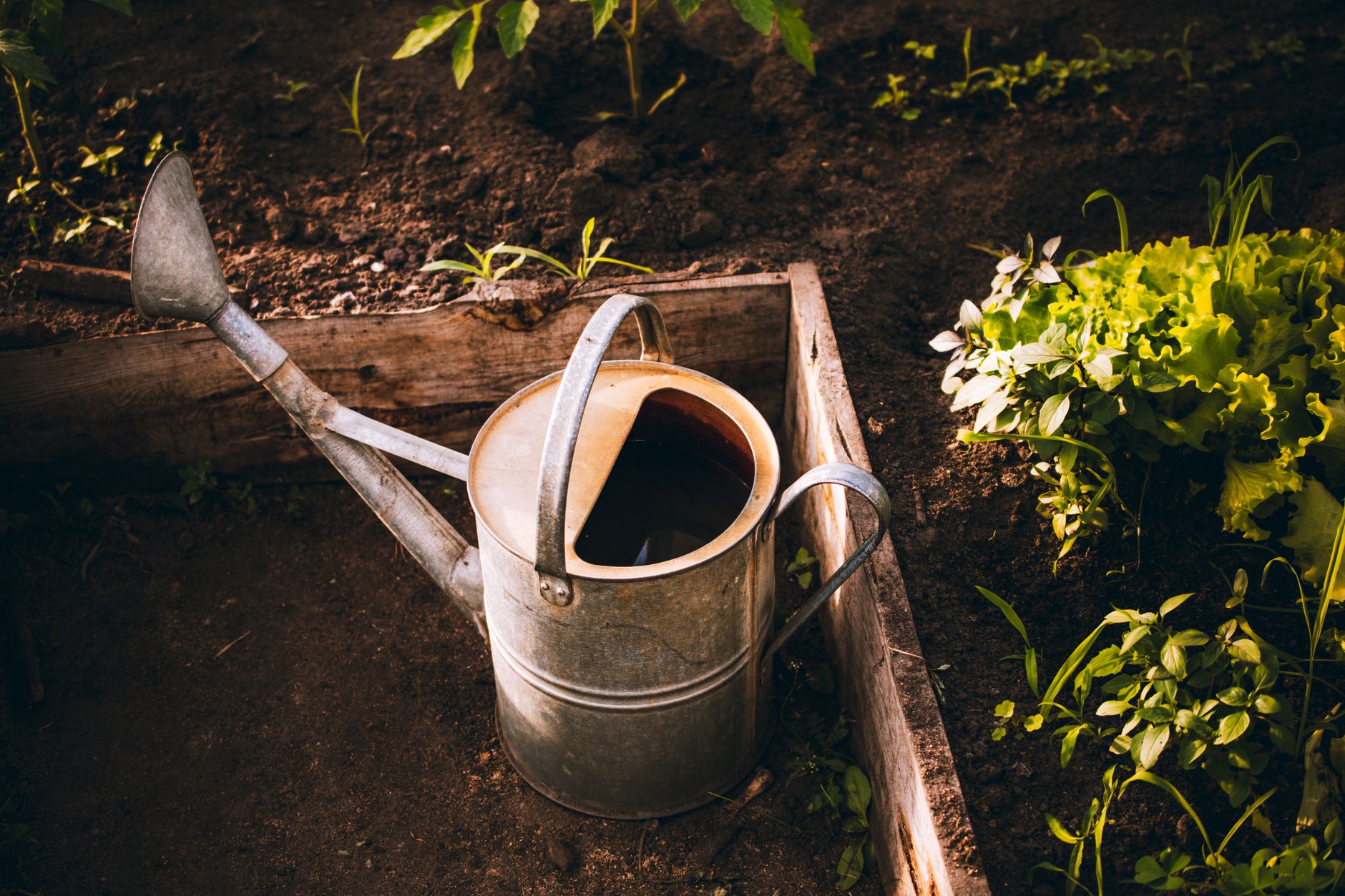
Raised beds are frames, usually timber, sleepers or galvanised metal, filled with bought-in or composted growing medium and set above the existing soil level. They can be anywhere from 15 centimetres to a metre high. In-ground planting is exactly what it sounds like: you prepare the existing earth, improve it if needed, and grow directly in it. Both approaches have been used in British kitchen gardens for centuries. Neither is new technology.
The reason this question has sharpened in the last few years is partly cost of living (buying topsoil and compost is not cheap) and partly the growth of smaller urban growing spaces where people are working with concrete, rubble or compacted clay and need a workaround fast. Organisations like the Royal Horticultural Society have published guidance noting that raised bed growing can significantly improve yields in poor soil conditions, though they stop short of declaring it the default winner.
How British soil types change the calculation
This is where the raised beds vs ground planting UK vegetables question gets genuinely interesting. Britain has some of the most varied soil types in Europe across a relatively small land mass. Heavy clay dominates much of the Midlands, parts of Essex, and swathes of the South East. Sandy, free-draining soils are common across the Breckland of Norfolk and Suffolk and parts of the South Coast. Peat soils remain in parts of Scotland, Somerset and Lancashire. Chalk runs across the North and South Downs.
If you’re sitting on London clay or Midlands clay, raised beds are transformative. Clay is waterlogged through winter, compacts easily, warms slowly in spring, and produces a concrete-like crust during a dry spell. Root vegetables like carrots and parsnips are nearly impossible without significant intervention. Filling a raised bed with a decent loam and compost mix sidesteps all of that immediately. You’re essentially importing a better environment.
Sandy or chalky soils tell a different story. They drain too fast, struggle to retain nutrients, and dry out quickly in summer. A raised bed on top of sandy soil can actually worsen drainage, pulling moisture away from roots even faster. Here, in-ground growing with heavy organic matter incorporation often performs better. The goal is to slow water movement, not accelerate it, and mulching directly into the ground achieves that more effectively than a raised frame above it.
Rainfall, drainage and the great north-south divide
Britain’s rainfall distribution matters enormously for this decision. The west of Scotland, the Lake District, Wales and parts of Devon and Cornwall regularly receive over 1,500 millimetres of rain per year. The eastern counties, the Thames Valley and the East Midlands can sit below 600 millimetres. That gap shapes everything about how vegetables grow and where water sits.
In high-rainfall areas, waterlogging is the primary enemy of most vegetable crops. Raised beds raised even 20 centimetres above the surrounding soil level drain far more efficiently, and the improved air circulation around roots matters in a wet climate. Brassicas, courgettes, and legumes particularly suffer in waterlogged conditions. In Scotland and Wales, I’d back raised beds almost categorically for anyone not working with genuinely sandy ground.
In drier eastern counties, the calculus shifts. In-ground growing retains moisture better across a long dry spell. Raised beds in a Norfolk summer without serious mulching and regular watering can dry out within days. Tomatoes, sweetcorn and beans planted into well-prepared in-ground beds with good organic matter often outperform raised equivalents during a dry season simply because the moisture reservoir is larger.
Growing seasons and soil temperature
Raised beds warm up faster in spring. Soil in a raised bed can be two to four degrees Celsius warmer than surrounding ground during March and April, which makes a real difference to germination times. In the North of England and Scotland, where the growing season is already compressed, that head start can mean getting a crop of early potatoes or salad leaves away three weeks ahead of your neighbour who’s growing in the ground. That is not a trivial advantage.
The flip side is that raised beds also lose heat faster in autumn and are more vulnerable to hard frosts from below as well as above. Ground planting insulates better through temperature extremes. Root crops like parsnips, kale, and leeks left in the ground overwinter with more natural protection than the same crops in a raised bed that may freeze solid in a cold December. This is worth thinking about if you plan to harvest through winter rather than lift and store everything in autumn.
Cost: the honest version
Raised beds are not cheap to set up. A decent set of hardwood or pressure-treated softwood frames for a standard 1.2 by 2.4 metre bed will cost between £40 and £120 depending on material. Then you need to fill it. A cubic metre of good topsoil and compost blend costs anywhere from £80 to £150 delivered, and a standard raised bed needs roughly 0.3 to 0.4 cubic metres to fill adequately. Before you’ve planted anything, you could be £150 to £200 into a single bed.
In-ground planting is largely free if you already have the space. Yes, you may want to add organic matter and compost regularly, which has a cost, but it is a fraction of the outlay for raised beds. If you’re working with reasonable soil and have the patience to improve it gradually over a few seasons, ground planting wins on pure economics. For more on improving growing conditions with organic material, the composting beginner guide on this site is worth a read before you spend anything on bought-in compost.
Long-term, raised beds need less weeding (a genuine time saving) and are easier on the back. Those benefits accumulate over years. Whether they justify the upfront cost depends on your budget and how long you plan to stay in the same garden. Renters, in particular, should think twice before investing heavily in permanent raised infrastructure.
Which vegetables actually perform better in each system
Root vegetables, particularly carrots, parsnips and beetroot, are the standout winners in raised beds on heavy or stony soil. The loose, stone-free medium lets roots develop straight and deep. Salad crops, radishes and spring onions also do well in raised beds because of the quick drainage and fast soil warming. Strawberries are excellent in raised beds, where slugs find them slightly harder to reach.
In-ground planting suits larger, hungrier crops better. Pumpkins, courgettes, and squash spread aggressively and appreciate the larger moisture reservoir. Brassicas, particularly Brussels sprouts and purple sprouting broccoli, develop stronger root systems in the ground and are less likely to blow over in autumn winds. Climbing beans and sweet peas also tend to anchor better in the ground.
Slugs are worth mentioning here. In-ground beds in damp British conditions can be absolutely plagued by them. Raised beds offer slightly better protection, especially metal-sided ones, but they are far from slug-proof. If you’re working with a ground bed in a wet area, check the guide to slug control after the metaldehyde ban for methods that actually hold up in 2026.
One more practical consideration: if your garden might be affected by invasive plants like Japanese knotweed, a raised bed with a proper membrane base gives you far more control over what enters the growing medium than an open in-ground plot. It won’t stop an established infestation, but it does provide a cleaner starting point in affected areas.
My honest verdict
Raised beds win in clay-heavy or waterlogged ground, in high-rainfall western and northern regions, for anyone with limited mobility, and for urban plots where the existing soil is rubble or compacted hardstanding. In-ground planting wins in sandy or chalk soils, in drier eastern counties, for large-scale growing, and wherever budget is tight. The worst thing you can do is assume one approach is universally superior and commit fully without assessing what’s actually under your feet first. Dig a hole 30 centimetres deep before you spend a penny. What you find tells you most of what you need to know.