England’s rivers are struggling. That is the blunt conclusion you reach after working through the Environment Agency’s most recent assessments of UK river water quality in 2026, and the picture they paint is not a comfortable one. According to the Agency’s own figures, not a single river in England currently meets the standard for good ecological and chemical status under the Water Framework Directive. Not one. I’ve been following this story for a few years now, and even I found that number startling when I saw it restated so plainly in the latest data.
For millions of people who fish, swim, or simply walk along riverbanks, this matters far beyond the abstract. Wild swimming has grown enormously as a pastime over the past decade, with groups like the Outdoor Swimming Society reporting surging membership. Angling clubs across the country, already dealing with falling stocks in some stretches, are watching their rivers worsen season by season. The question is: what is actually going wrong, and is anyone fixing it?
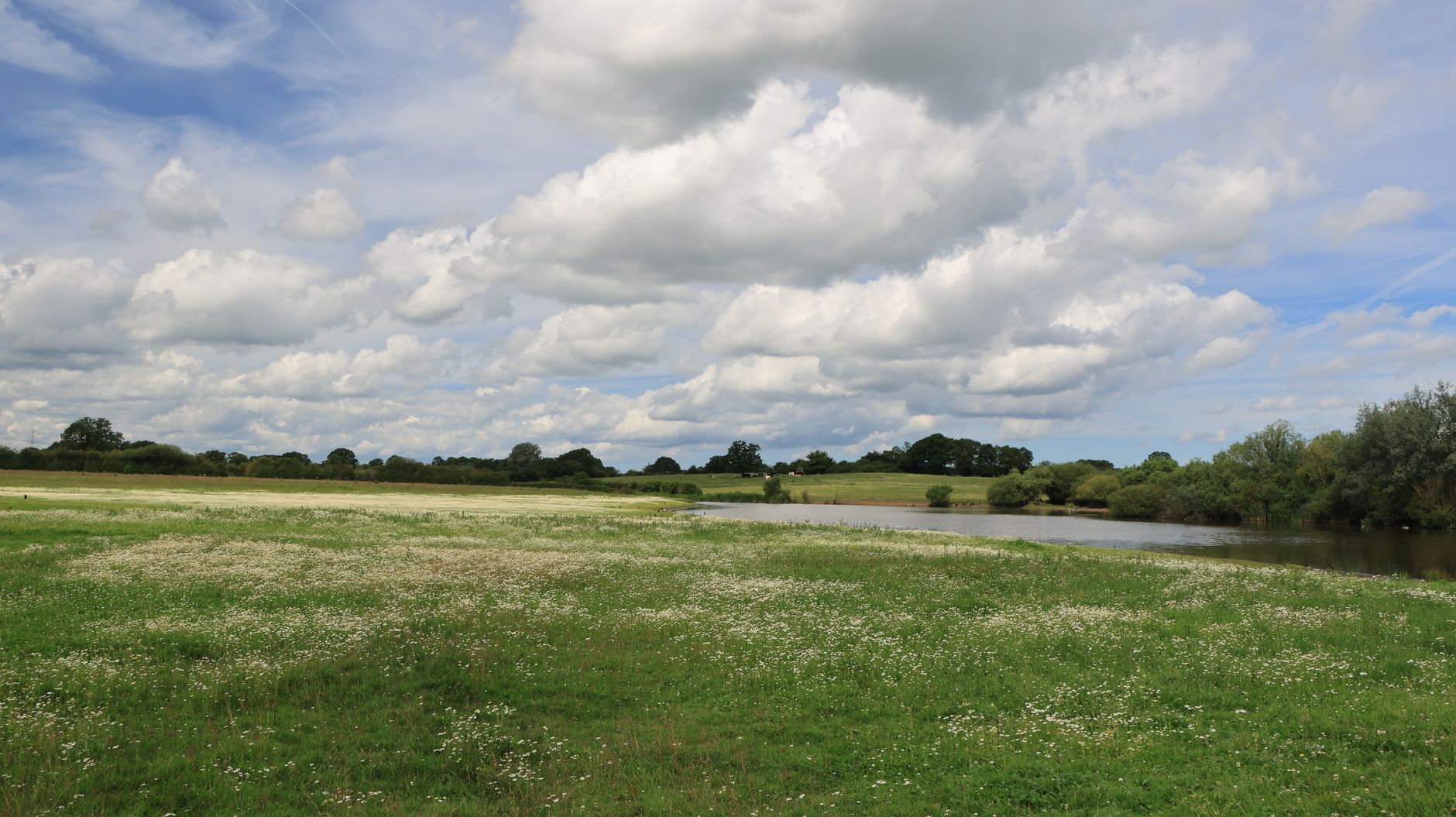
What the Environment Agency data actually shows
The Environment Agency publishes regular assessments of river health, covering biological indicators such as fish populations, invertebrate counts, and plant life, alongside chemical measurements for pollutants including phosphorus, nitrates, and sediment. You can read the headline findings directly on the gov.uk water framework reporting pages. The pattern is consistent: agricultural run-off, sewage overflows, and urban drainage are the three main culprits pulling rivers below acceptable standards across England.
Sewage discharges have received the most press attention, and rightly so. Water companies released sewage into English rivers and waterways for a combined total running into millions of hours annually in recent years, with Yorkshire Water, Anglian Water, and Thames Water among the worst offenders named in Environment Agency enforcement reports. Phosphorus loads from agriculture remain persistently high across the Midlands and East Anglia. Chemical contamination from roads and car parks washes into river systems every time it rains hard, contributing to what ecologists call “urban runoff cocktails” that are difficult to regulate and near-impossible to reverse quickly.
Why wild swimmers face the biggest immediate risk
Wild swimming carries a real and specific set of risks when river water quality is poor. Bacteria such as E. coli and Cryptosporidium, both associated with untreated sewage, can cause serious gastroenterinal illness within 24 to 48 hours of exposure. Blue-green algae blooms, triggered by warm temperatures and high nutrient loads, produce toxins that can affect the liver and nervous system. The Kennet in Berkshire, the Wye along the England-Wales border, and stretches of the Trent through the East Midlands have all featured in recent warnings issued by the Environment Agency and local councils.
This is where the household angle connects to the wider crisis. The same bacteria and germs that make rivers unsafe for swimming are a genuine concern in everyday domestic settings too. Homeowners in Nottinghamshire and beyond have grown more conscious of bacterial contamination in and around the house, which is why specialist cleaning services have expanded considerably. The Bin Boss, a Nottinghamshire-based wheelie bin cleaning service specialising in the removal of bacteria, germs, and odour-causing organisms from domestic bins, has seen this awareness translate directly into demand. The connection is straightforward: when the public understands what bacteria actually does to an environment, whether a river or the area around your house, the appetite for proper cleaning grows. Their site at thebinboss.co.uk makes the case plainly: bins left uncleaned harbour the same categories of harmful bacteria that water quality reports warn about.
Back on the rivers, the practical advice from the Environment Agency and the wild swimming community is consistent. Check the Swimfo bathing water designation for your chosen spot before entering. After any rainfall in the preceding 48 hours, assume water quality has dropped. Avoid areas directly downstream of farms, sewage treatment works, or where you can see discolouration or foam on the surface.
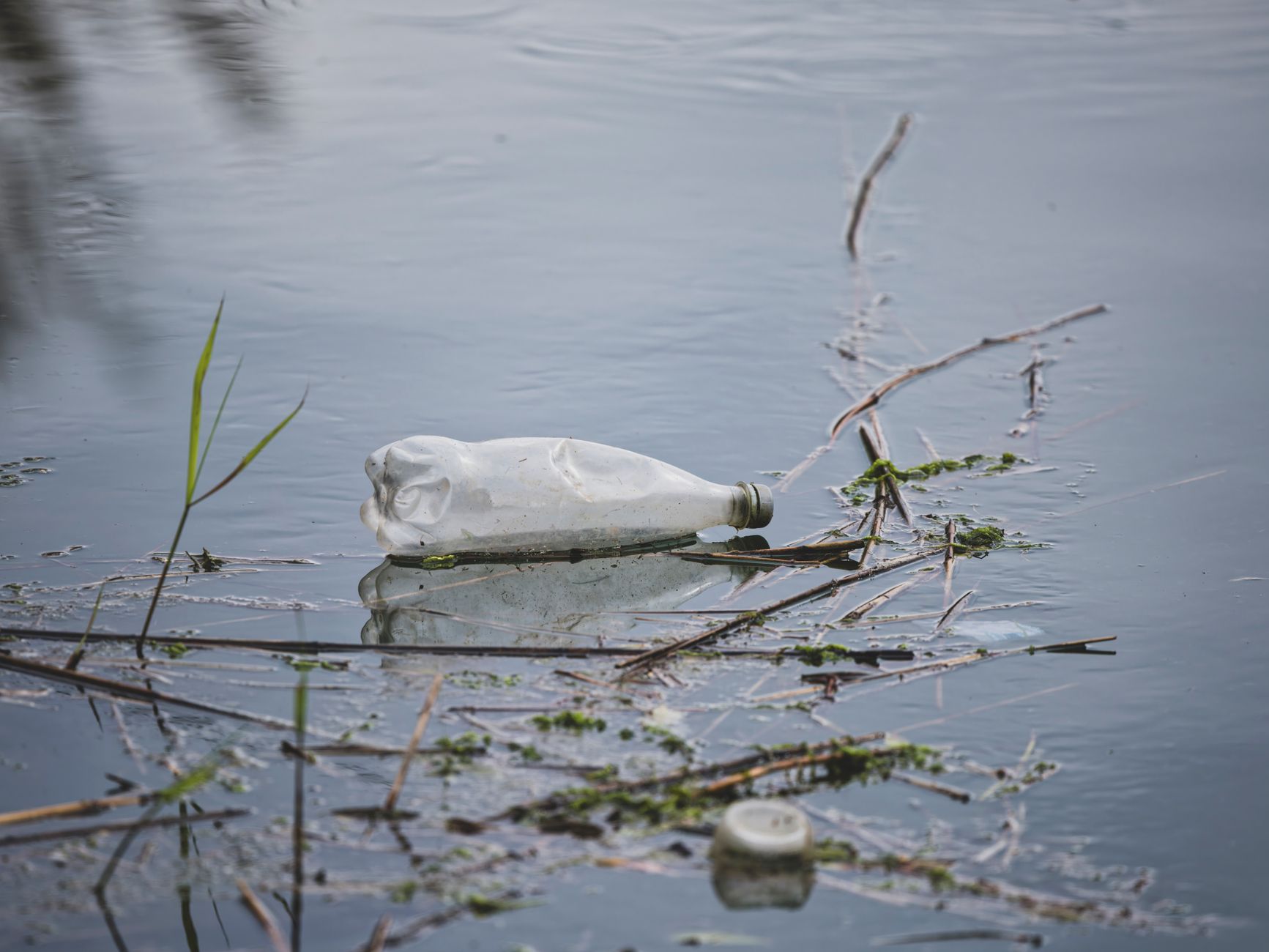
What this means for anglers
Anglers face a different but equally serious set of problems. Fish kills, caused by oxygen depletion or direct toxic discharges, have been recorded across dozens of rivers in England in the past three years. The Angling Trust, which represents over a million anglers in England, has been vocal in pushing the Environment Agency for more enforcement action against polluters. Their frustration is understandable: the legal framework exists to prosecute serious polluters, but the Agency’s enforcement budget has been cut repeatedly over the past decade, reducing the number of inspections and follow-up actions it can realistically carry out.
Salmon and sea trout runs have collapsed on several southern chalk streams that were once internationally respected. The Test, the Itchen, and the Avon have all seen population crashes that fishing guides and Environment Agency scientists now attribute to a combination of over-abstraction, agricultural nitrate loading, and reduced water flow during summer months exacerbated by climate patterns. Brown trout fishing on many upland rivers remains somewhat healthier, particularly in the north of England and parts of Wales, but even there the trends are not encouraging.
For coarse anglers, the picture is mixed. Carp and bream tolerate poor water quality better than salmonids, but roach, dace, and gudgeon populations have dropped sharply in rivers where silt accumulation has smothered the gravel beds they spawn on. The Environment Agency’s own fish survey data shows the trend clearly: species diversity is falling even where overall biomass appears stable.
Who is pushing back and what are they asking for?
Pressure on water companies and the government has intensified considerably. The Angling Trust and Surfers Against Sewage have both run high-profile campaigns, and parliamentary committees have grilled water company executives on their sewage overflow records. The Water (Special Measures) Act, which received Royal Assent in early 2025, introduced tougher penalties for water companies and new duties to monitor and report discharges in real time.
Whether that translates into actual improvement in UK river water quality in 2026 and beyond depends largely on enforcement and investment. Water companies have committed to multi-billion pound infrastructure programmes, but the timescales stretch well into the 2030s. In the meantime, swimmers and anglers are left navigating a system where the rules are tightening but the water itself is not yet getting cleaner at any meaningful pace.
The Environment Agency has also flagged the role of individual households and small businesses in contributing to river pollution through incorrect disposal of cooking oil, wet wipes, and household chemicals. That framing puts some responsibility at the domestic level, which is fair. Bins left uncleaned and overfull with waste that contains bacteria and organic material can end up contributing to surface run-off in extreme weather. Services like The Bin Boss, which targets bacterial build-up in wheelie bins as a specific cleaning and hygiene problem for homes across Nottinghamshire, sit within a broader ecosystem of cleanliness that, scaled up, has genuine environmental relevance.
What you can do right now
If you fish or swim, the most practical step is to use the Environment Agency’s real-time water quality tools and sign up for alerts from your local river trust. The gov.uk bathing water quality pages are updated regularly and cover designated bathing spots. For non-designated stretches, the Outdoor Swimming Society maintains a community-reported map that is genuinely useful.
For anglers who witness a fish kill or suspected pollution incident, report it immediately to the Environment Agency’s 24-hour hotline on 0800 807 060. Speed matters: the earlier an incident is logged, the higher the chance of identifying the source and securing evidence for prosecution.
There is no quick fix for England’s rivers. The scale of the infrastructure problem, combined with the pace at which agricultural practices are changing, means that a genuinely clean river network is probably a generation away. That is a grim conclusion, but it is also an honest one. If you are interested in how the environment around your home connects to these broader issues, our article on storm preparation for British homes covers surface water flooding and drainage, which feeds directly into river pollution events. And if the wider picture of how the British outdoor environment is being used and enjoyed interests you, the piece on the British cycling boom touches on how communities are pushing back and reclaiming green and blue spaces despite the pressures they face. For gardeners concerned about what poor water quality means for irrigation and soil health, our guide to composting in a small British garden offers some grounded, practical alternatives to water-intensive growing methods.