Walk into a County Championship match on a Tuesday afternoon in May and you might find more seagulls than spectators. That is not entirely an exaggeration. Some grounds have recorded crowds in the low hundreds for four-day red-ball fixtures, and even the most loyal county members will admit the atmosphere can feel a little thin. English county cricket attendance problems are not new, but in 2026 the conversation has sharpened considerably, because the contrast with The Hundred’s packed stands has become impossible to ignore.
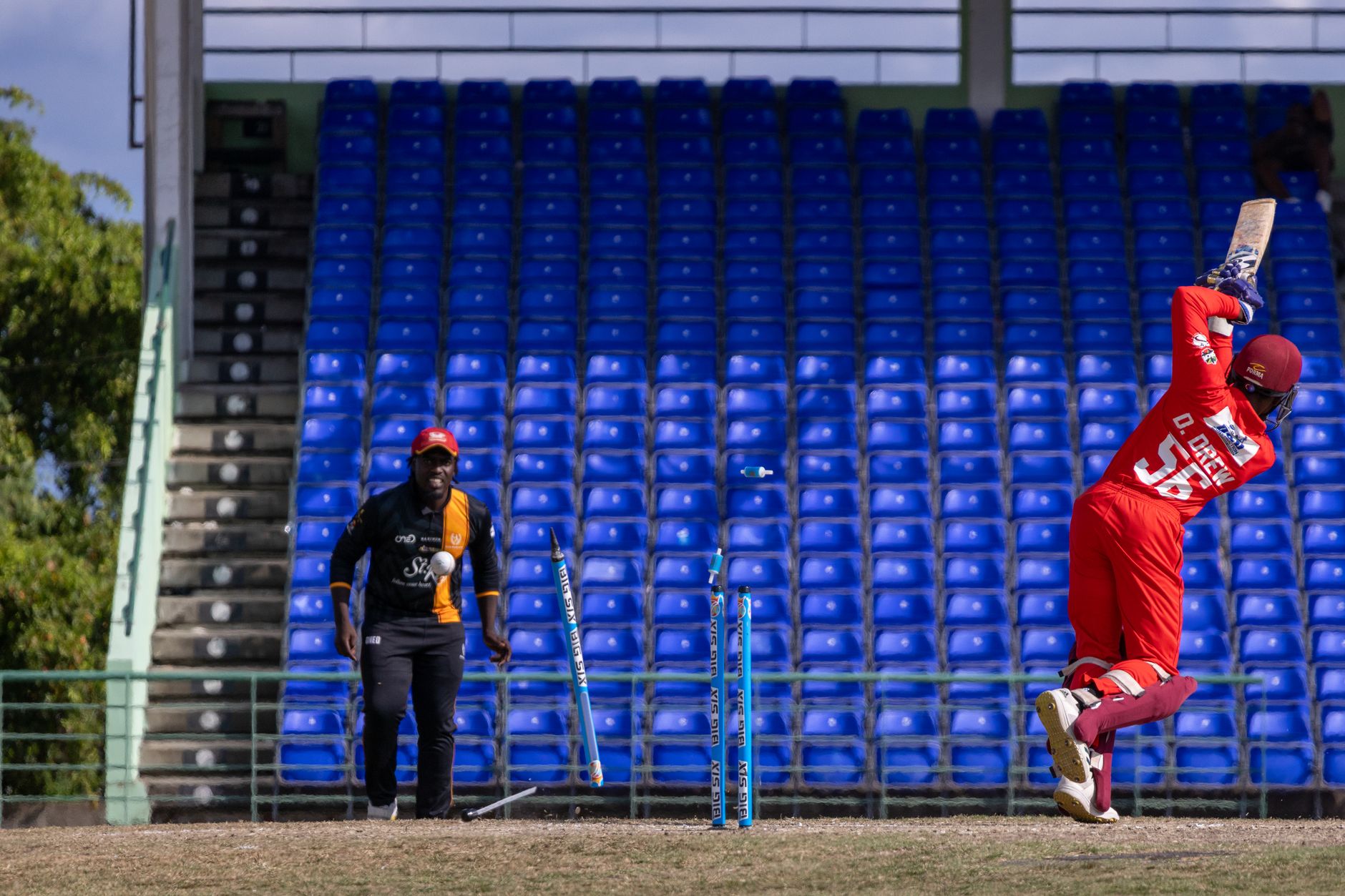
I’ve been watching county cricket since my father dragged me to Grace Road as a kid, and I’d argue the game has never felt more pulled in two directions. On one side, the purists who see the County Championship as the lifeblood of English cricket. On the other, an ECB determined to grow a new audience through franchise-format competitions that bear little resemblance to the sport’s traditional structure. The question is whether these two visions can genuinely coexist, or whether one is slowly starving the other.
How bad are county cricket crowds really?
The numbers are sobering. According to ECB data, average County Championship attendance across Division One in recent seasons has sat somewhere between 800 and 1,500 per day, depending on the fixture and ground. Some marquee matches, Roses clashes between Yorkshire and Lancashire, say, or Surrey at The Oval, can pull decent crowds. But a mid-table fixture between Worcestershire and Northamptonshire on a Wednesday? You’d be lucky to fill one stand.
Part of this is structural. Four-day cricket played on weekdays is simply inaccessible for most working people. The ECB has known this for decades and yet the Championship schedule continues to load the bulk of its fixtures into weekday slots, partly because grounds share space with white-ball competitions and partly because the county calendar is genuinely congested. The result is a format that depends heavily on retired supporters and members, a demographic that is ageing visibly.
Ticket pricing plays a role too. While Championship cricket is often cheaper than white-ball alternatives, the match-day experience at many grounds has not kept pace with what casual fans now expect. Food, seating, digital connectivity, live updates. Compare a day at a Hundred fixture to a Championship day and the gap in production values is stark.
The Hundred debate: is it draining red-ball cricket’s oxygen?
The Hundred is now in its fifth year and the ECB continues to defend it vigorously. Attendances at Hundred fixtures averaged over 20,000 per match in 2025, and the competition has genuinely brought younger and more diverse audiences into cricket grounds. That matters. I don’t think anyone serious can dismiss those numbers.
But critics, and there are plenty, point to a real tension. The Hundred’s broadcast deal with Sky Sports and the BBC, which gives it primetime visibility, comes partly at the cost of County Championship coverage. Red-ball cricket on free-to-air television is now essentially nonexistent. You can watch The Hundred on BBC iPlayer. You cannot watch a day of Championship cricket on any free channel. For a format that is supposed to be the pathway to Test cricket, that absence from public view is a serious problem.
The Cricketer magazine and various county CEOs have raised this point repeatedly. If young players are not watching red-ball cricket, and if casual fans cannot access it without a Sky subscription, the talent pipeline and the audience both narrow over time. The ECB’s counter-argument is that investment from The Hundred funds the county game. And that is true to a point. But money flowing into grassroots infrastructure doesn’t automatically put people in seats at Worcester on a damp Thursday morning.
What the ECB says it is doing
The ECB has not ignored the problem. In 2026, it announced a revised county funding model that ties a portion of central distributions to attendances and community engagement metrics. Counties that invest in local schools, junior programmes, and accessible ticket pricing will receive a larger share of central funds. In theory, this creates an incentive to actively grow local audiences rather than simply existing as professional cricket clubs.
There is also a push to restructure the Championship schedule to include more weekend fixtures. The ECB’s official county cricket strategy acknowledges that midweek scheduling is a barrier and has committed to piloting a revised calendar from 2027. Whether counties and venues can accommodate that change alongside white-ball commitments remains genuinely unclear.
Ticket pricing experiments are happening too. Several counties, including Lancashire and Hampshire, have trialled heavily discounted day tickets for under-25s, with some success. Hampshire’s Ageas Bowl reported a noticeable uptick in younger attendees on the back of £10 day passes. Small steps, but the direction is right.
Grassroots fans feel left behind
Talk to supporters who have followed county cricket for twenty or thirty years and the sentiment is remarkably consistent. They feel the game they love has been repositioned to appeal to someone else. The Hundred’s branding, its celebrity ambassador culture, its deliberately distanced relationship with county identity, all of it feels alien to the person who has held a Warwickshire or Kent membership for decades.
This is more than nostalgia. It is a legitimate concern about whether the ECB’s strategy is building a sustainable audience or simply rotating an existing one between formats. English county cricket attendance problems will not be solved by a franchise competition that competes for the same summer weekend. They will be solved, if they are solved at all, by making red-ball cricket visible, affordable, and part of a genuine sporting culture again.
Some of this is about broadcasting. The BBC’s limited free-to-air coverage of The Hundred is a start, but extending that to at least one Championship round per season would make a measurable difference to public awareness. The Premier League figured out long ago that free-to-air exposure builds the audience that pay-TV then monetises. Cricket has been slow to apply the same logic.
If you’re interested in how attendance pressures and commercial tensions are reshaping other parts of British sport and leisure, take a look at how the British cycling boom has managed to pack out sportive events at a time when participation in other sports has stalled. The contrast is instructive. And if you want a reminder of how quickly a beloved British institution can lose its audience when the commercial model shifts beneath it, the story of the declining British high street bookshop is uncomfortably familiar.
County cricket is not finished. But it needs an ECB that is honest about the trade-offs it has made, not just one that counts Hundred attendances and calls the sport healthy. The fans sitting in near-empty stands on Tuesday afternoons deserve better than that.