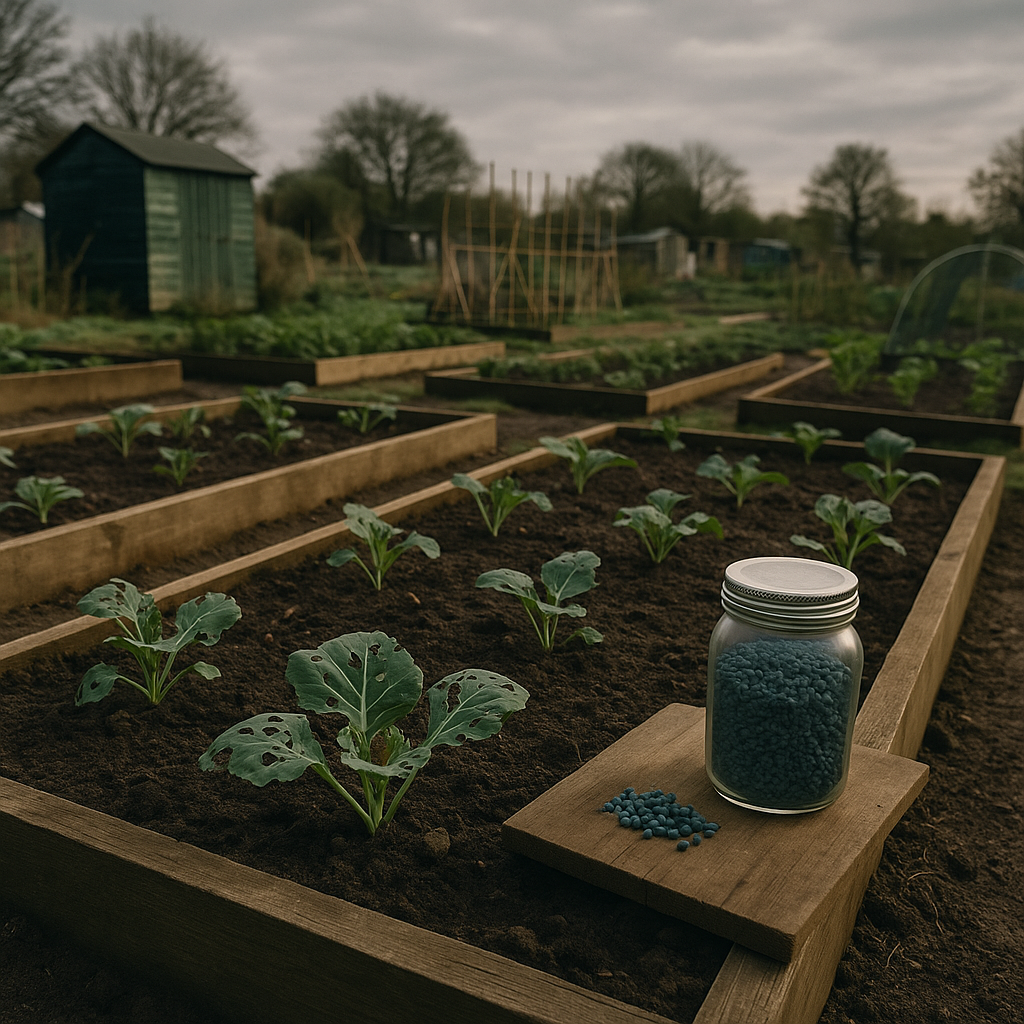
Slugs have always been the bane of the British garden. But since the full enforcement of the metaldehyde slug pellet ban came into effect, gardeners across the country have been scrambling to find alternatives that actually do the job. The old blue pellets were effective, there is no denying that. Now they are gone, and the options on the shelf look very different. So which of the slug control UK metaldehyde ban alternatives are genuinely worth your time and money, and which are more garden folklore than science?
Why Metaldehyde Was Banned and What Replaced It Legally
The UK government banned the use of metaldehyde-based slug pellets in March 2022 following concerns raised by the Health and Safety Executive about the risk to wildlife, particularly birds and hedgehogs, and contamination of water courses. The ban was not sudden or without warning, but plenty of gardeners still found themselves caught out. You can read the official guidance on the gov.uk website, which outlines the permitted alternatives and the reasoning behind the decision.
The product that stepped in most prominently was ferric phosphate, sold under brand names like Sluggo and Ferrozan. Ferric phosphate is approved for use in organic gardening and breaks down into iron and phosphate in the soil. It is genuinely less toxic to birds and mammals than metaldehyde. That much is settled. The real question is whether it kills slugs as reliably.
Ferric Phosphate Pellets: Honest Assessment
Most gardeners who have made the switch to ferric phosphate pellets report that they work, but more slowly. Slugs that ingest them stop feeding within hours, but they tend to retreat underground before dying, so you do not see the pile of dead slugs that metaldehyde used to leave behind. This makes it harder to judge effectiveness. Some growers assume the pellets are not working simply because there are no visible casualties.
The drawback is moisture sensitivity. In a wet British spring, ferric phosphate pellets dissolve faster than they probably should, which means you need to reapply more frequently. On a dry spell they perform much better. The consensus among allotment holders and kitchen gardeners I have spoken to is that ferric phosphate pellets are a solid first line of defence but work best as part of a broader approach rather than a standalone fix.
Nematodes: The Underground Option
Phasmarhabditis hermaphrodita, the slug-killing nematode, has been available to UK gardeners for years but has seen a real surge in interest since the metaldehyde exit. You water them into the soil and they seek out slugs beneath the surface, which is exactly where most of the damage begins. Brands like Nemaslug (produced by BASF and widely stocked at garden centres) are the go-to product.
Nematodes genuinely work, provided a few conditions are met. Soil temperature needs to be above 5°C for them to be effective, which limits use in early spring and late autumn. They need moist but not waterlogged soil. And they target soil-dwelling slugs specifically, so surface feeders like the large black slug may be less affected. The cost is also a consideration; a pack covering 40 square metres runs to around £9-£12 and needs reapplying every six weeks during the growing season. For a modest raised bed it makes sense. For a large vegetable plot, costs add up.
On heavy clay soils, which are common in much of the Midlands and south-east England, drainage can limit nematode movement. Sandy or loamy soils give better results. Worth trying for certain, but tailor your expectations to your actual soil type.
Copper Barriers and Physical Methods
Copper tape around pots is probably the most well-known physical deterrent, and it does work to a degree. The theory is that copper reacts with slug mucus and causes a mild electrical-like sensation that deters them. The practical reality is that it works best on clean, dry pot rims. Dirty or wet copper loses its effect quickly, and slugs determined enough, or hungry enough, will find a way over.
Wool pellets are another physical option that has gained ground since the ban. Products like Slug Gone use waste sheep wool, which swells when wet and creates an abrasive barrier slugs dislike. They also act as a soil conditioner as they break down. Feedback from UK growers has been broadly positive for protecting individual plants or small beds, though they are not cheap per square metre.
Crushed eggshells, sharp grit, and coffee grounds are the classic thrifty alternatives. Honest verdict: they offer modest deterrence in dry conditions and almost none when it rains. They are free or near-free, so worth using, but not worth relying on.
Wildlife-Friendly Slug Control: Working With Nature
One of the unintended upsides of the metaldehyde ban is that it has pushed more British gardeners towards genuinely ecological thinking. Hedgehogs, frogs, toads, slow-worms, song thrushes, and ground beetles are all natural slug predators. A garden that supports those species will have fewer slug problems over time.
Practical steps include leaving a log pile or rough corner for hedgehogs, installing a small garden pond for frogs and toads, and avoiding the use of any pesticides that kill ground beetles. If you have been using slug control UK metaldehyde ban alternatives that are wildlife-safe, you are already helping to rebuild these predator populations. It takes more than one season to see the benefit, but the results are real.
Beer traps are unglamorous but effective for monitoring and reducing slug numbers in specific areas. A cheap lager in a buried jar with the rim at soil level catches surprising numbers overnight. Empty and refill every couple of days.
What Actually Works: A Practical Combination
No single method replaces what metaldehyde used to do on its own. The gardeners getting the best results in 2026 are using a layered approach: ferric phosphate pellets as the primary active control, nematodes applied twice during the main growing season, physical barriers around the most vulnerable plants, and habitat improvements to encourage natural predators.
Timing matters too. Slugs are most active in mild, wet conditions, which describes much of the British spring and autumn. Applying controls before a warm wet spell, rather than after damage appears, makes a significant difference. Check the Met Office forecast and treat ahead of rain rather than after it.
The ban on metaldehyde was the right call for wildlife and water quality. It just means gardeners now have to be a bit more strategic. The good news is that the alternatives, used properly and in combination, really do hold slug populations in check. It requires more attention than scattering blue pellets once a fortnight, but the results can be equally effective and considerably better for everything else living in your garden.